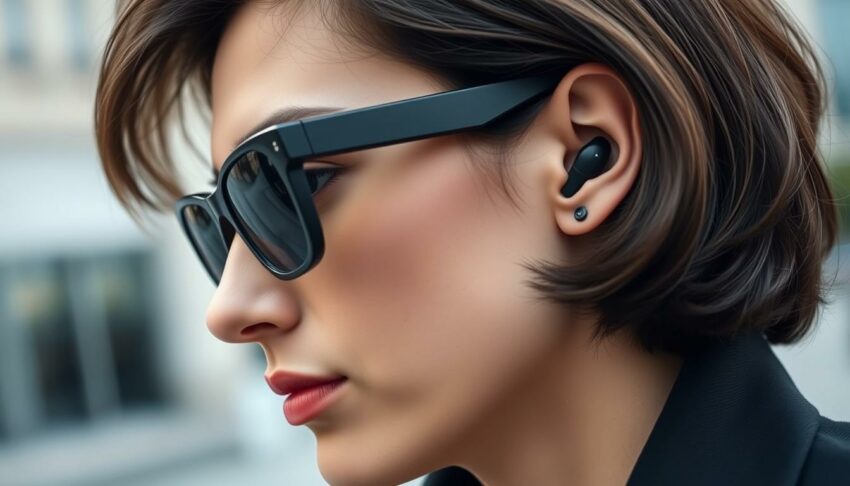
As technology advances, these smart glasses have evolved from novelty gadgets to practical accessories that enhance daily life. Whether you’re a fitness enthusiast, a busy professional, or someone who simply values convenience, audio eyewear offers a unique solution that traditional headphones can’t match.
What Are Audio Glasses and How Do They Work?
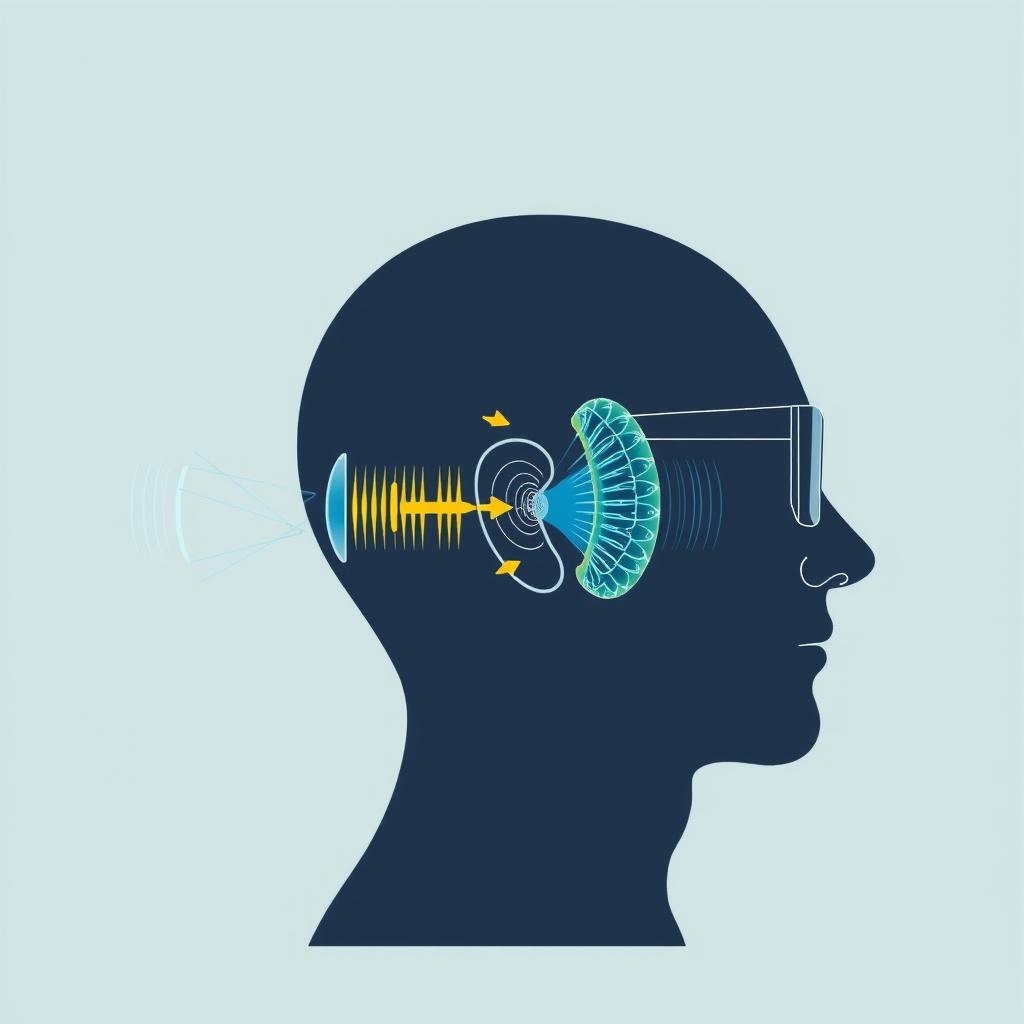
Audio glasses are eyewear with built-in audio features that allow you to listen to sound without traditional earbuds or headphones. Using miniature speakers positioned near your ears, these devices direct sound toward your ear canals while leaving your ears completely open to ambient sounds.
Most audio eyewear uses one of two technologies:
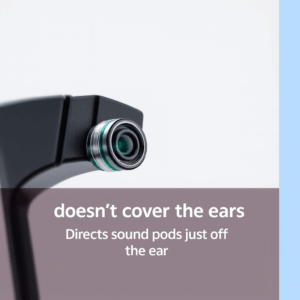
Directional Speakers
Tiny speakers embedded in the temple arms of the frames project sound directly toward your ears. This technology, often called “open-ear audio,” creates a personal sound field without completely blocking environmental noise.
Bone Conduction
Some models use bone conduction technology, which transmits sound vibrations through the bones of your skull directly to your inner ear. This method bypasses the eardrum entirely, though it typically offers less bass response than directional speakers.
Key Features to Consider When Choosing Audio Eyewear
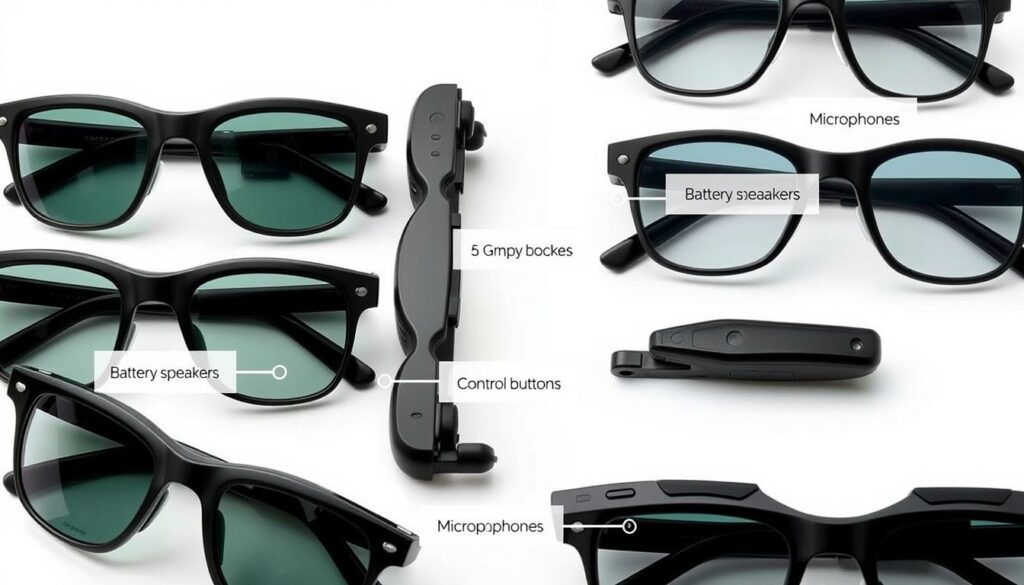
Sound Quality
The audio performance varies significantly between models. Premium options offer richer bass and clearer sound, while budget options may sound tinnier. Consider how you’ll primarily use them—for music, podcasts, or calls—and choose accordingly.
Battery Life
Most audio glasses offer between 4-8 hours of playback time. If you plan to use them throughout the day, look for models with quick charging capabilities or extended battery life of 5.5 hours or more.
Design & Style
Audio eyewear comes in various styles, from sporty frames for active use to fashion-forward designs for everyday wear. Consider your personal style and when you’ll be wearing them most.
Comfort & Fit
Since you’ll wear these for extended periods, comfort is crucial. Look for lightweight frames with adjustable nose pads and temple arms that don’t create pressure points after hours of wear.
Connectivity
Most audio glasses use Bluetooth 5.0 or newer for connecting to your devices. Check for multipoint connectivity if you need to connect to multiple devices simultaneously.
Controls & Features
Touch controls, voice assistant compatibility, and call handling vary between models. Some offer advanced features like directional audio that focuses on conversations in front of you.
Top Eyewear With Built-in Audio Features in 2025
After extensive testing and research, we’ve identified the best audio glasses currently available. Each excels in different areas, so you can find the perfect match for your specific needs.

1. Bose Frames Tenor
Bose leads the audio eyewear market with their second-generation Frames Tenor. These refined square-frame sunglasses deliver impressive sound quality through Bose’s OpenAudio™ technology, which directs sound precisely to your ears while minimizing sound leakage.
Pros
- Premium sound quality with good bass response
- Elegant, stylish design suitable for everyday wear
- Up to 5.5 hours of battery life
- Excellent call quality with beam-forming microphones
- Polarized lenses with UV protection
Cons
- Premium price point
- No water resistance rating
- Proprietary charging cable
The Tenor features intuitive touch controls on the right temple for volume adjustment and voice assistant access. With polarized lenses and a premium build quality, these glasses are perfect for those who want audio eyewear that doesn’t compromise on style or sound.

2. Razer Anzu Smart Glasses
Razer’s entry into the audio eyewear market offers impressive value with both blue light filtering lenses for computer use and polarized sunglass lenses included. Available in round or square styles and two size options, the Anzu provides versatility for different face shapes and use cases.
Pros
- Excellent value with two sets of lenses included
- Low-latency Bluetooth connection (60ms)
- IPX4 water resistance for workout use
- Touch controls for music and calls
- Lightweight design (43-48g depending on size)
Cons
- Sound quality slightly behind premium options
- 5-hour battery life is average
- Limited bass response
The Anzu shines for gaming and computer use thanks to its blue light filtering lenses and low-latency connection. The companion app allows for EQ adjustments and firmware updates, making these glasses particularly appealing to tech-savvy users who want audio eyewear for both indoor and outdoor activities.
3. Amazon Echo Frames (3rd Gen)
Amazon’s Echo Frames stand out with their seamless Alexa integration, allowing you to control your smart home, get information, and manage your day—all through voice commands. The third generation improves on previous models with better sound quality and battery life.
Pros
- Built-in Alexa voice assistant
- Extremely lightweight and comfortable (31g)
- Available with clear, blue-light filtering, or sunglass lenses
- IPX4 water resistance
- Multiple frame color options
Cons
- Sound quality is good but not exceptional
- 4-hour battery life is below average
- Limited bass response
- Requires Amazon ecosystem for full functionality
Echo Frames excel as productivity tools, with Alexa helping you manage notifications, make calls, set reminders, and control smart home devices. The open-ear design keeps you aware of your surroundings while providing a private audio experience. These are ideal for tech enthusiasts already invested in the Amazon ecosystem.
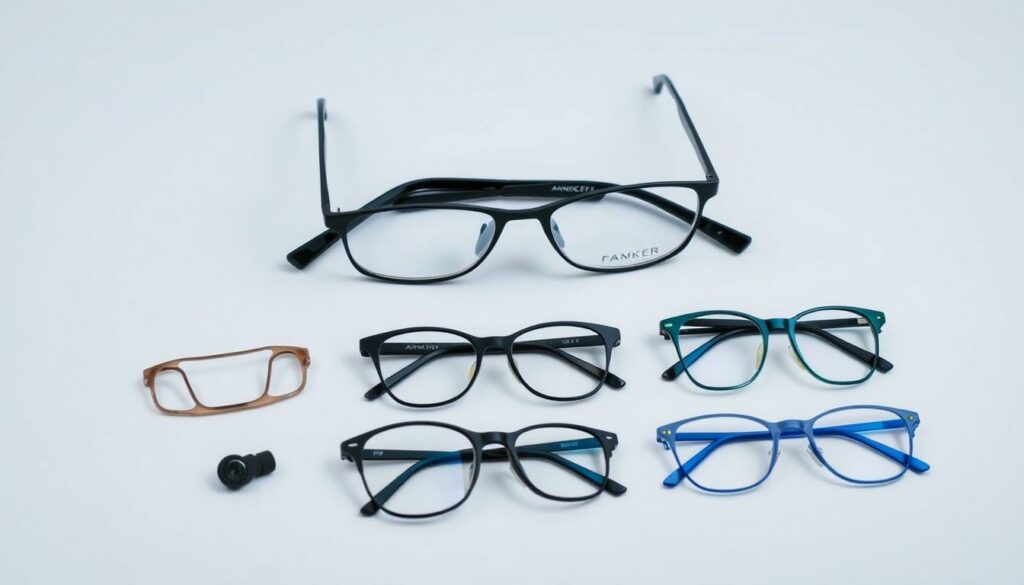
4. Soundcore Frames by Anker
Soundcore Frames introduce a unique modular concept to audio eyewear. The temple arms containing all the audio technology can be detached and connected to different frame styles, allowing you to change your look without buying entirely new glasses.
Pros
- Interchangeable frames for different styles and occasions
- Four speakers (two in each arm) for fuller sound
- 5.5 hours of battery life
- IPX4 water resistance
- Touch and voice controls
Cons
- Sound quality is good but not exceptional
- Connection points may wear over time with frequent frame changes
- Proprietary magnetic charger
With multiple frame styles available (sold separately or in bundles), Soundcore Frames offer unmatched versatility. The companion app provides firmware updates and customization options. These are perfect for fashion-conscious users who want to match their eyewear to different outfits or occasions without sacrificing audio functionality.

5. Bose Frames Tempo
For active users, the Bose Frames Tempo offers the best audio performance in the category. Designed specifically for sports, these durable sunglasses feature larger 22mm drivers that deliver richer sound with more bass, even at high speeds during cycling or running.
Pros
- Best-in-class sound quality and volume
- Extended 8-hour battery life
- Secure, comfortable fit for active use
- Water and sweat resistant
- USB-C charging
- Excellent call quality with dual microphones
Cons
- Bulkier design than fashion-focused models
- Premium price point
- Sporty look may not suit all occasions
The Tempo’s sport-specific design includes a TR90 nylon frame that’s flexible and durable, with specially designed temple arms that maintain a secure fit during high-impact activities. The polarized lenses are shatter-resistant and can be swapped for different light conditions. For runners, cyclists, and other outdoor enthusiasts, these represent the gold standard in audio eyewear.
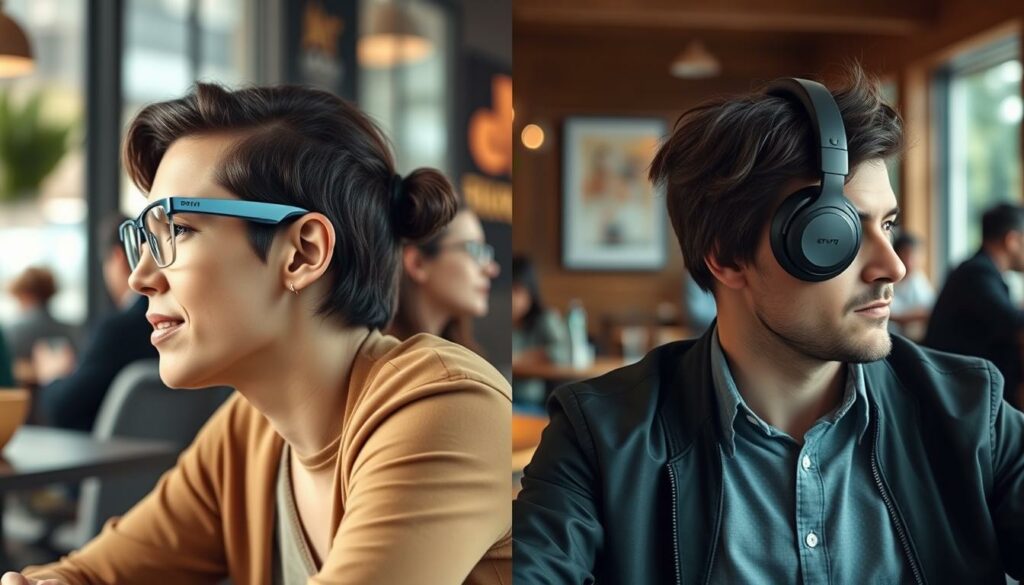
Audio Eyewear vs. Traditional Headphones
| Feature | Audio Eyewear | Traditional Headphones |
| Situational Awareness | High – ears remain open to ambient sounds | Low to none – especially with noise cancellation |
| Sound Isolation | Minimal – not ideal for noisy environments | Excellent – blocks external noise |
| Sound Quality | Good for casual listening, limited bass | Superior, especially for music enthusiasts |
| Comfort for Extended Use | Excellent – no ear fatigue or pressure | Variable – can cause ear fatigue over time |
| Discretion | High – looks like normal eyewear | Low – visibly wearing headphones |
| Battery Life | 4-8 hours typical | 20-40 hours typical |
| Multitasking Ability | High – can interact with environment | Limited – often requires removing headphones |
Audio eyewear and traditional headphones serve different purposes and excel in different scenarios. The choice between them depends largely on your specific needs and how you plan to use them in your daily life.
Practical Applications: When to Use Audio Eyewear

Fitness & Outdoor Activities
Audio glasses are ideal for running, cycling, hiking, and other outdoor activities where situational awareness is crucial for safety. You can enjoy your music or podcasts while still hearing approaching vehicles, other people, or environmental sounds.

Work & Productivity
During the workday, audio eyewear lets you take calls hands-free while remaining aware of your surroundings. You can listen to background music without isolating yourself from colleagues, and quickly transition between focused work and collaboration.
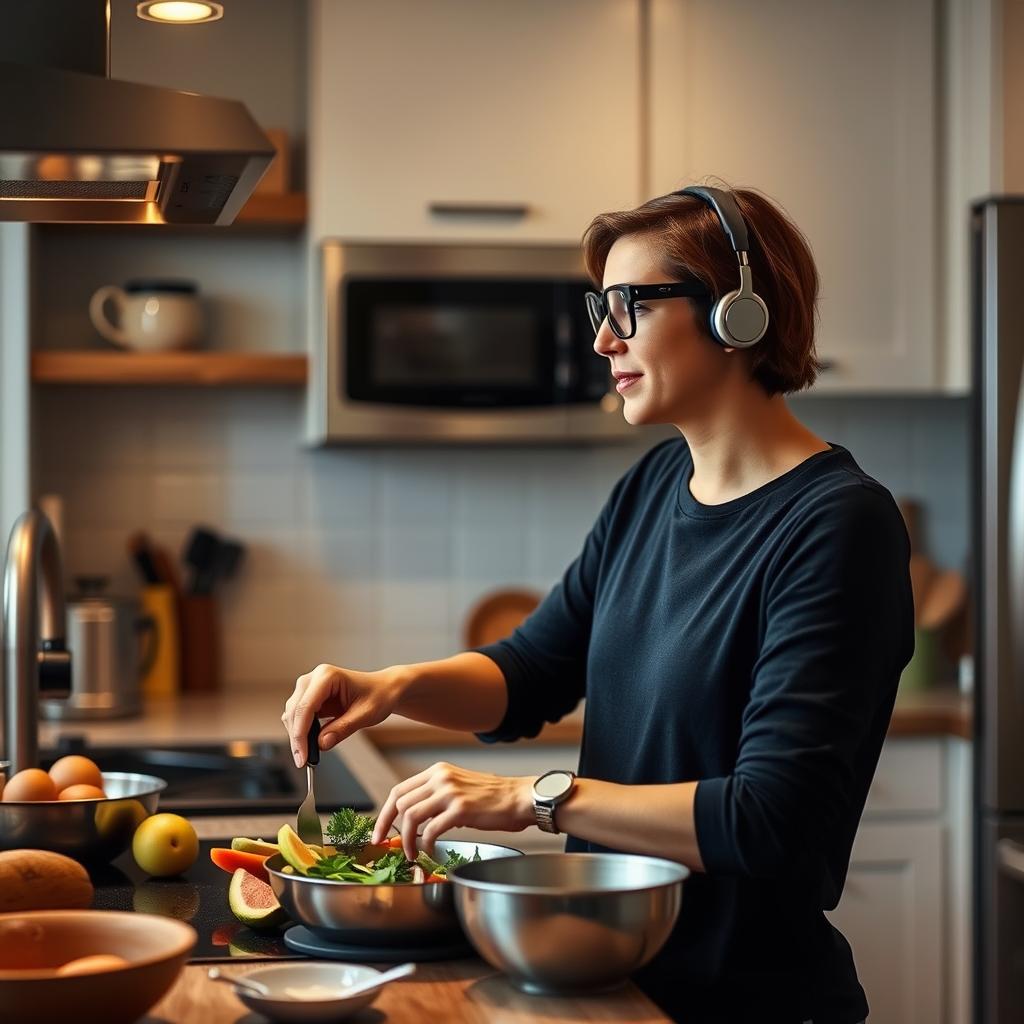
Daily Multitasking
From cooking and household chores to commuting and shopping, audio glasses allow you to enjoy content or take calls while keeping your hands free and staying aware of your environment—perfect for busy, on-the-go lifestyles.
Adding Prescription Lenses to Audio Eyewear
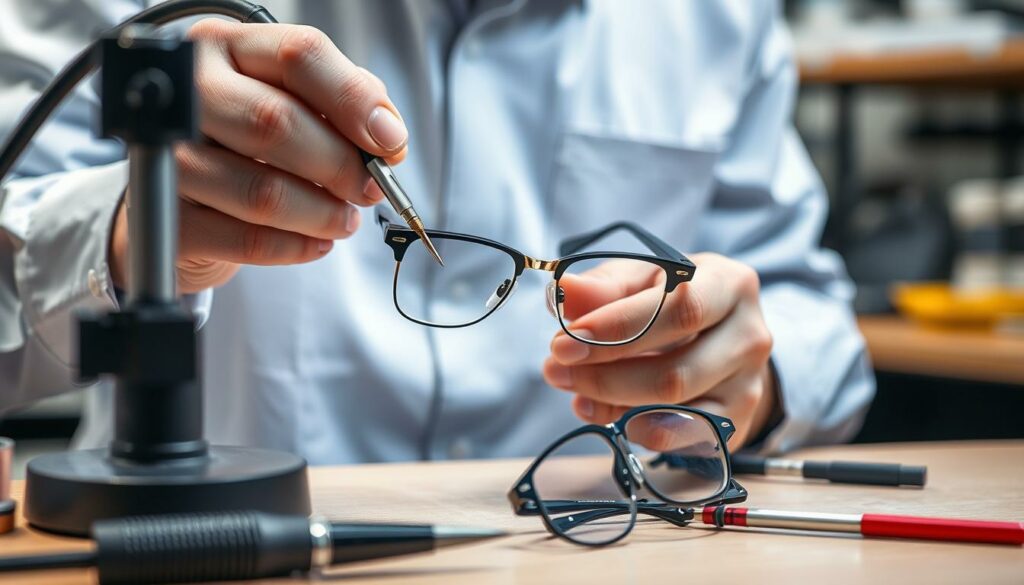
Most audio glasses are compatible with prescription lenses, making them accessible to those who require vision correction. Here’s what you need to know about adding prescription lenses to your audio eyewear:
How to Get Prescription Audio Glasses
- Purchase your preferred audio glasses model
- Take them to your local optician or use an online prescription lens service
- Provide your current prescription
- Choose lens options (anti-reflective coating, transitions, etc.)
- Have the lenses professionally installed
Popular online services like Lensabl, replacerxlenses.com, and overnightglasses.com can fit most audio glasses with prescription lenses for around $100-$200, depending on your prescription and lens options.
Important Considerations
- Verify that your chosen model is compatible with prescription lenses before purchasing
- Some manufacturers offer prescription lenses directly through their service
- Progressive lenses may be available but could affect the fit of some models
- Keep the original lenses as a backup in case you need to return the frames
- Consider frames with easily swappable lenses if you want both clear and sunglass options
Finding Your Perfect Audio Eyewear
Eyewear with built-in audio features represents an exciting convergence of fashion, function, and technology. As this category continues to evolve, we’re seeing improvements in sound quality, battery life, and design that make these devices increasingly practical for everyday use.
Which Audio Glasses Are Right For You?
- For premium sound quality: Bose Frames Tempo or Tenor
- For active lifestyles: Bose Frames Tempo or Avantree SG188
- For style versatility: Soundcore Frames
- For smart features: Amazon Echo Frames
- For budget-conscious buyers: Razer Anzu
When choosing audio eyewear, prioritize the features that matter most to your lifestyle—whether that’s sound quality, battery life, style options, or specific functionality like voice assistant integration. Remember that while audio glasses may not replace your premium headphones for critical listening, they offer a unique combination of awareness, comfort, and convenience that traditional headphones simply can’t match.

What Are Anti-Glare Glasses? | Complete Guide In our digital age, we spend a lot of time looking at screens. Read more

Popular Eyewear Brands To WatchFrom sleek cat-eye styles to eco-conscious frames, the eyewear industry is brimming with innovation and flair. Read more

In today's digital age, eye strain has become a growing concern. With screens everywhere, from smartphones to computers, understanding how to protect Read more

Driving at night can be challenging due to glare from oncoming headlights and low visibility. Night driving glasses are designed to reduce Read more