Anti-reflective lens technology is a big step forward in eyewear. It makes vision clearer and cuts down on eye strain by reducing glare. This tech is super helpful in places with lots of glare, like driving at night or working on computers for a long time.
Using anti-reflective lens tech, people can see better and feel less glare. This leads to more comfort when looking at things. The key part of this tech is the anti-reflective coatings on lenses. They let more light through and cut down on reflections, helping to reduce glare and improve vision.

With anti-reflective lens tech, people get clearer vision and less eye tiredness. It’s a must-have in today’s eyewear, especially for better vision and less glare.
Key Takeaways
- Anti-reflective lens technology enhances vision by reducing glare
- It improves visual comfort by minimizing eye strain
- Anti-reflective coatings on lenses allow for better light transmission
- This technology is beneficial for night driving and digital device usage
- It contributes to overall visual clarity and reduced eye fatigue
- Anti-reflective lens technology is a crucial aspect of modern eyewear for vision enhancement
Understanding Anti-Reflective Lens Technology
Anti-reflective coatings are key in today’s eyewear, cutting down on glare and reflections. They work by adding thin layers to the lens surface. This reduces the light that bounces back. Thanks to advanced technologies, these coatings have gotten much better over time.
The journey of anti-reflective coatings has seen big leaps forward. We’ve seen less glare and reflections. By looking at how these coatings have evolved, we can see the progress made. Some main points about them include:
- Less glare from headlights at night
- Less reflections from screens and digital devices
- Better sight in low light
The tech behind anti-reflective coatings is quite complex. But simply put, it’s about adding thin layers to the lens. This uses advanced materials and methods to cut down on reflections and glare. As research keeps improving, we’ll see even better coatings soon.
Anti-reflective coatings and lens technologies improve our vision and reduce eye strain. They help when driving, working on computers, or enjoying the outdoors. As we learn more about these coatings, we’ll see new uses for them in the future.
Benefits of Anti-Reflective Coatings for Daily Vision
Anti-reflective coatings offer many benefits for daily vision. They cut down on glare and reflections. This makes seeing clearer and reduces eye strain. It’s very helpful in today’s world where we spend a lot of time in front of screens.
These coatings are useful in many daily activities. For example, they help when reading by reducing glare from pages. They also make computer use more comfortable by cutting down on screen reflections.
Some key benefits of anti-reflective coatings include:
- Reduced glare and reflections
- Improved vision quality
- Enhanced comfort during daily tasks
- Reduced risk of eye strain
They also help prevent eye strain. By reducing glare and reflections, they ease eye strain. This makes daily tasks more comfortable. Overall, anti-reflective coatings greatly improve our daily lives.
How Anti-Reflective Lens Technology Works
It’s important to know how anti-reflective lens technology works. This technology uses thin layers on the lens surface. It needs precision and high quality standards.
This coating process makes anti-reflective lenses different from regular ones. It aims to cut down on reflections and glare. This leads to better vision and less eye strain.
The coating process is quite complex. It involves many layers of material. This multi-layer technology helps reduce reflections across many wavelengths. It makes vision clearer.
The coating’s quality is key to the lens’s performance. Knowing about anti-reflective lens technology helps people choose better eyewear.
- Reduced glare and reflections
- Improved vision and clarity
- Increased comfort and reduced eye strain
Understanding these points shows the value of anti-reflective lens technology. It can greatly improve daily life.
Digital Eye Strain and AR Coating Solutions
More people are using digital devices, leading to digital eye strain. This can cause eye fatigue, dryness, and irritation. But, AR coating solutions can help by reducing glare and reflections from screens.
Studies show that digital eye strain can be lessened with AR coating solutions on lenses. These coatings cut down on reflections and glare. This makes it easier to look at digital screens for a long time. It also helps people feel more comfortable and productive when using digital devices.
Some benefits of using AR coating solutions for eye strain prevention include:
- Reduced glare and reflections
- Improved visual clarity
- Increased comfort during prolonged screen time
In conclusion, digital eye strain is a common issue that can be avoided with AR coating solutions. These coatings reduce glare and reflections, helping to prevent eye strain. People who use digital devices a lot can benefit from AR coating solutions. It helps them avoid eye strain and stay productive.
Professional Applications of Anti-Reflective Lenses
Anti-reflective lenses are used in many professional settings. They help improve visibility in offices and make night driving safer. These lenses can greatly enhance performance and reduce eye strain in different jobs.
In an office environment, they cut down on glare from computer screens and lights. This boosts productivity and comfort. For night driving, they help by reducing reflections from headlights. This makes it easier to see on dark roads.
Benefits for Photographers
Photographers and visual artists also benefit from anti-reflective lenses. They reduce glare and make images clearer. This is especially helpful for those working with reflective surfaces or in bright light.
- Improved visibility in low-light conditions
- Reduced glare from reflective surfaces
- Enhanced image clarity
Anti-reflective lenses have many uses in professional settings. They are a smart choice for those working in offices, photography, and night driving.
Maintaining Your AR-Coated Lenses
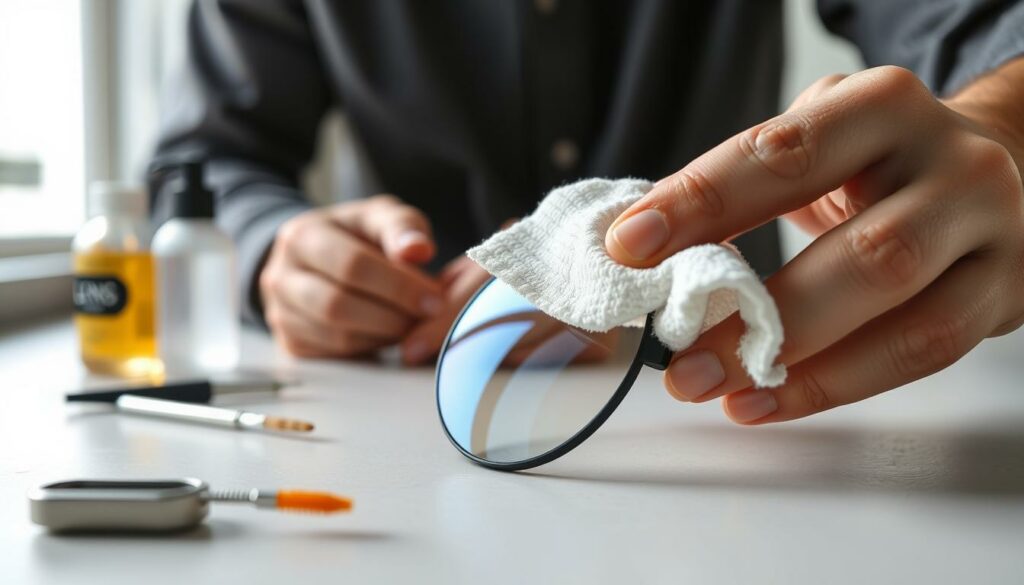
Proper lens care is key to keeping your AR-coated lenses in top shape. When cleaning AR lenses, use the right methods and materials. This helps avoid damaging the coatings. Regular care can prevent scratches and protect the lenses.
To keep your AR-coated lenses in good condition, follow these simple tips:
- Use a soft, dry cloth to wipe away any debris or dust
- Avoid using harsh chemicals or abrasive materials that can damage the coatings
- Store your lenses in a protective case when not in use to prevent scratches and damage
By following these tips and practicing good maintaining AR-coated lenses habits, you can extend your lenses’ life. Regular cleaning AR lenses and proper storage are crucial. They make a big difference in your lenses’ longevity and effectiveness.
Remember, proper lens care is essential for your AR-coated lenses. By taking the time to maintain and clean them, you’ll enjoy clear and comfortable vision for years.
Choosing the Right Anti-Reflective Coating
When picking an anti-reflective coating, several factors matter. Choosing the right anti-reflective coating can greatly improve your vision and lens durability. It’s key to compare the benefits and costs of each coating type.
Anti-reflective coatings come in premium and standard types. Premium vs. standard coatings vary in quality, durability, and price. Premium coatings reduce glare better, resist scratches, and protect from UV rays. They’re great for those who use digital screens a lot or drive at night.
But, cost considerations are also important. Here’s a table comparing the costs of different coatings:
| Coating Type | Cost | Benefits |
|---|---|---|
| Standard Coating | $50-$100 | Basic glare reduction, decent durability |
| Premium Coating | $100-$200 | Advanced glare reduction, excellent durability, UV protection |
| High-End Coating | $200-$300 | Superior glare reduction, exceptional durability, blue light protection |
In the end, choosing the right anti-reflective coating depends on your needs and budget. By looking at the benefits and costs, you can pick the best coating for you. This will improve your vision and overall experience.
Common Myths About Anti-Reflective Technology
There are many myths about anti-reflective technology. One big one is that it doesn’t work well to cut down glare. But studies show it really does help by reducing reflections and making things clearer. This is great for people who use screens a lot or drive at night.
Another myth is that these coatings easily get scratched or damaged. While some might be more delicate, many modern ones are tough and last a long time. Some even protect the lens from scratches and other damage.
Some folks think anti-reflective tech is too pricey. But it’s actually a smart investment. It can help reduce eye strain and make things clearer. Here are some good things about it:
- Less glare and reflections
- Clearer and better visibility
- More durable and resistant to scratches
- More comfort and less eye strain
Anti-reflective tech isn’t just for glasses and lenses. It can also be used on screens and windows to cut down glare. Knowing the truth about anti-reflective tech helps people decide if it’s right for them.
Conclusion: The Future of Anti-Reflective Technology
The world of optics is always changing, and anti-reflective technology is no exception. Researchers and makers are always looking for new ways to make these lens coatings better. We can expect to see even more advanced anti-reflective solutions soon.
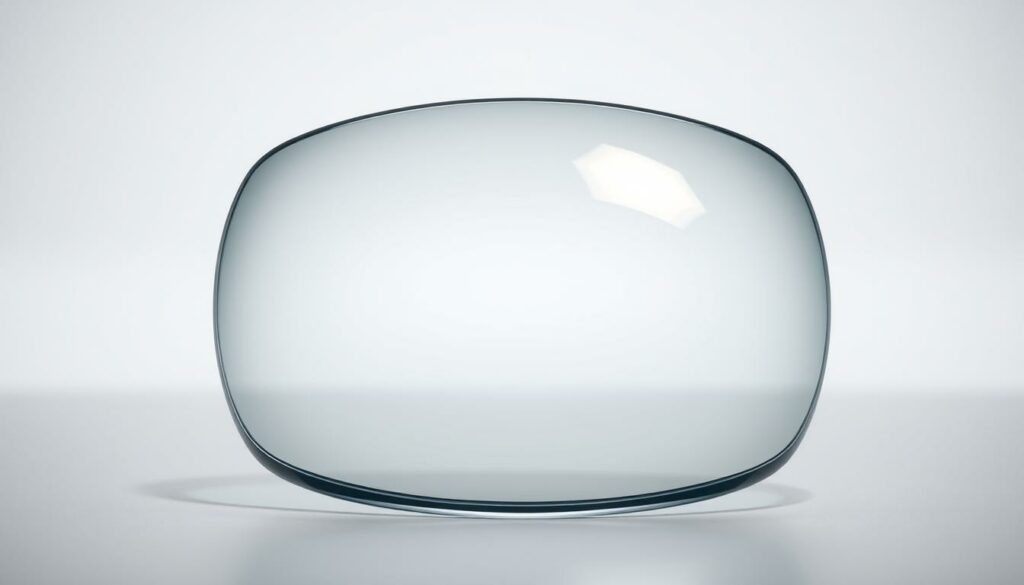
One big area of focus is making ultra-thin, multi-layer coatings. These will almost eliminate reflections in all visible light. They will make our vision clearer and make eyewear look better too. Plus, features like self-cleaning or UV protection might become part of these lenses.
As people want better, glare-free optics more and more, makers will make these technologies cheaper and easier to get. This could lead to more use in many fields, like photography, cars, and work places.
The future of anti-reflective technology looks very bright. It will bring us better ways to see and protect our eyes. As this field keeps growing, we’ll see even more amazing things that change how we see the world.
FAQ
What are anti-reflective coatings?
Anti-reflective coatings are thin, invisible layers on eyeglass lenses. They cut down glare and reflections. This makes your vision clearer and sharper.
How do anti-reflective coatings work?
These coatings work by blocking light reflection off the lens. They let more light through to your eyes. This improves your vision.
What are the benefits of anti-reflective lenses?
Anti-reflective lenses reduce eye strain and improve vision in bright light. They also enhance contrast and clarity.
How do anti-reflective coatings differ from standard lens coatings?
Anti-reflective coatings are more advanced. They use multi-layer technology to cut down reflections. This boosts your visual performance more than basic coatings.
How do I care for my anti-reflective lenses?
To keep your lenses in good shape, clean them gently. Store them properly. Avoid harsh chemicals and abrasive materials.
Are all anti-reflective coatings the same?
No, there are different types of anti-reflective coatings. They range from standard to premium. Quality and performance vary, so choose a reputable brand.
How do anti-reflective lenses help with digital eye strain?
These lenses reduce glare and reflections from screens. This helps prevent eye strain. They make screen time more comfortable.
What are some professional applications of anti-reflective lenses?
Anti-reflective lenses are useful in many professional settings. They improve visibility in offices and at night. They also enhance clarity for photographers and artists.
Are there any myths or misconceptions about anti-reflective technology?
Yes, there are myths about anti-reflective technology. Some think it weakens lens durability or effectiveness. It’s important to know the truth about its benefits.

Imagine a world where digital information blends seamlessly with your surroundings, enhancing your daily life in ways you never thought Read more
Blue light, a type of high-energy visible (HEV) light with wavelengths between 400 and 500 nanometers, has become a hot Read more
Smart glasses have come a long way from being niche gadgets to becoming mainstream wearable devices. Today, they blend fashion Read more
Imagine a world where your eyewear is tailored to your unique style and preferences. With 3D printed glasses, this reality is Read more