Blue light, a type of high-energy visible (HEV) light with wavelengths between 400 and 500 nanometers, has become a hot topic in today’s digital age. As you spend more time in front of screens, concerns about its effects on your eyes grow. But how much of what you hear is true?
Natural sources like the sun emit blue light, while artificial sources include digital devices and LED lights. This section explores the science behind blue light exposure, its effects on vision and sleep, and what you can do to protect your eyes.
While some worry about long-term eye damage, research shows no direct link between blue light and vision impairment. However, prolonged screen time can cause digital eye strain. This section will guide you through the facts and myths, helping you make informed decisions about your eye health in a world filled with screens.
What is Blue Light?
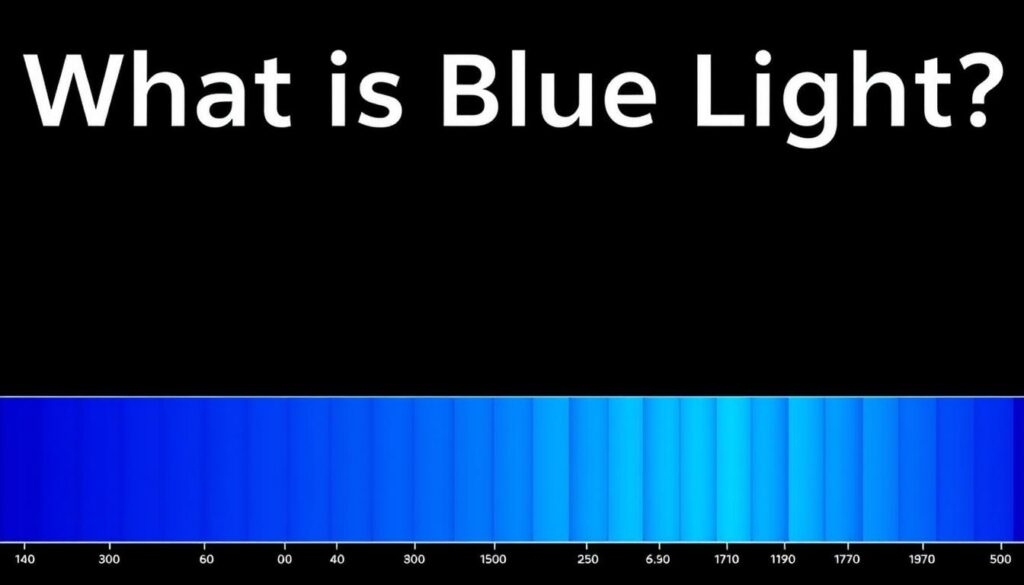
Blue light is a form of high-energy visible (HEV) light, occupying a specific range within the visible spectrum. It is characterized by its shorter wavelengths, typically between 380 and 500 nanometers, which give it higher energy levels compared to other visible lights.
Defining the Visible Spectrum
The visible spectrum includes colors from red to violet, each with distinct wavelengths. Blue light falls within the 400-500 nm range, near ultraviolet light. This placement contributes to its higher energy and potential effects on both the environment and human eyes.
Sources of Blue Light
Blue light is omnipresent, emanating from both natural and artificial sources. Natural sources include sunlight, which emits a significant amount of blue light, while artificial sources encompass digital devices like smartphones, tablets, computers, and LED lights. Despite its ubiquity, the impact of blue light depends on exposure intensity and duration.
| Source Type | Examples | Emission Level |
|---|---|---|
| Natural | Sunlight | High |
| Artificial | Smartphones, Tablets, LED Lights | Low-Moderate |
Understanding blue light’s sources and properties is crucial for grasping its effects on vision and health. This section provides a foundation for exploring its implications in subsequent sections.
Natural vs. Artificial Blue Light
Understanding the differences between natural and artificial blue light is key to managing your exposure. Natural blue light, primarily from the sun, is balanced with other wavelengths like red and infrared, which are essential for your health. In contrast, artificial blue light from screens and LED devices is more concentrated and can disrupt your sleep-wake cycle.
Sunlight and Environmental Exposure
Sunlight is the most significant natural source of blue light. It contains a balanced mix of wavelengths, including red and infrared light, which are vital for regulating your circadian rhythms. Spending time outdoors during the day helps your body stay in sync with natural light patterns, promoting better sleep and overall well-being.
Digital Screens and LED Devices
Artificial blue light from digital screens, computers, and LED devices is a growing concern. These sources emit high-energy blue light, which can cause digital eye strain and interfere with melatonin production, affecting your sleep quality. Prolonged screen time, especially in the evening, can trick your brain into thinking it’s still daytime, making it harder to fall asleep.
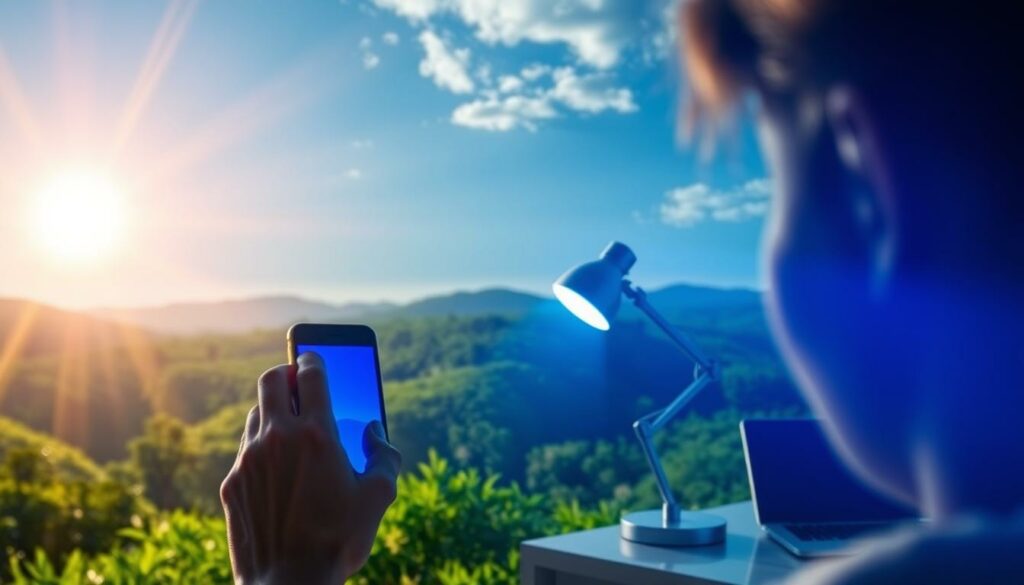
While natural blue light is energizing and essential, artificial sources can disrupt your health. By understanding these differences, you can take steps to reduce unnecessary exposure and protect your eyes and sleep. Simple adjustments, like using screen filters or dimming LED lights, can make a significant difference in maintaining your health.
Blue Light and Your Eyes: How It Affects Vision
Your eyes have natural defenses against harmful UV rays, but they don’t block blue light as effectively. This is because blue light, with its shorter wavelengths, penetrates the eye more deeply.
Eye Protection Mechanisms
The human eye has built-in mechanisms to filter out UV radiation, but these mechanisms are less efficient against blue light. Almost all visible blue light passes through the cornea and lens, reaching the retina. This exposure can potentially damage retinal cells over time, though studies on long-term effects in humans are still ongoing.
Digital Eyestrain Explained
Digital eyestrain, often caused by prolonged screen time, can lead to dry, irritated eyes and headaches. Blue light from devices contributes to this strain by affecting the eye’s ability to focus. The shorter wavelengths of blue light scatter more easily, making it harder for the eyes to maintain clear vision. This is why many people experience discomfort after using digital devices for extended periods.
While the evidence on retinal damage is still limited, understanding how blue light interacts with your eyes is crucial for protecting your vision. Simple steps like following the 20-20-20 rule can help reduce strain and promote eye health.
Blue Light and Your Sleep-Wake Cycle
Blue light exposure, particularly in the evening, can significantly influence your sleep-wake cycle by affecting melatonin production. Research indicates that evening exposure to this high-energy visible light can suppress melatonin levels, thereby disrupting your circadian rhythm.
Impact on Melatonin Production
Studies have shown that blue light, especially in the 400-500 nm range, has a pronounced effect on melatonin suppression. This suppression is more significant in the evening compared to other times of the day. For instance, exposure to blue light with a wavelength of around 460 nm can suppress melatonin production for a longer duration compared to green light at 555 nm.
Research findings highlight that evening blue light exposure not only suppresses melatonin but also enhances alertness, core body temperature, and heart rate. This makes it more challenging to fall asleep and maintain a consistent sleep pattern. The studies suggest that the effects of blue light on sleep are more pronounced when exposure occurs closer to bedtime.
| Effect | Blue Light Exposure | Study Findings |
|---|---|---|
| Melatonin Suppression | Evening Exposure | Significant suppression compared to daytime exposure |
| Alertness | Blue Light at 460 nm | Enhanced alertness and delayed sleep onset |
| Sleep Quality | Prolonged Evening Exposure | Reduced sleep duration and efficacy |
While blue light during the day can boost alertness and cognitive function, evening exposure should be managed to protect your sleep-wake cycle. Simple strategies, such as reducing screen time before bed or using blue light filters, can help maintain healthy sleep habits and overall well-being.
Health Risks Associated with Blue Light Exposure
While blue light is a natural part of our environment, concerns about its health impacts have grown. This section explores the potential risks linked to prolonged exposure.
Concerns Over Macular Degeneration
One major worry is how blue light might affect your eye health, particularly regarding macular degeneration. The macula, at the retina’s center, is vital for sharp vision. Some studies suggest that prolonged blue light exposure could harm this area over time.
Animal studies have shown that blue light, especially in the 400-500 nm range, can damage retinal cells. However, human studies haven’t found clear evidence of this risk. The American Academy of Ophthalmology notes that blue light from devices isn’t proven to cause long-term eye damage.
| Risk Factor | Details | Findings |
|---|---|---|
| Macular Degeneration | Prolonged exposure to blue light | No conclusive evidence in humans |
| Retinal Cell Damage | Animal studies show potential harm | Human studies are inconclusive |
| Sun Exposure | Intense blue light from the sun | Naturally regulated by the environment |
While the sun emits intense blue light, it’s balanced with other wavelengths. Artificial sources, like screens, emit concentrated blue light, which can cause eye strain and disrupt sleep. To protect your eyes, consider the timing and amount of exposure, especially in the evening.
The Benefits of Blue Light on Your Health
While concerns about blue light often focus on its potential risks, it also offers several health benefits when exposure is controlled. Research shows that blue light can enhance alertness, improve cognitive function, and even boost your mood.
Enhancing Alertness and Cognitive Function
Studies indicate that exposure to blue light during low-energy hours, such as midday, can increase alertness and focus. This makes it a useful tool for staying productive during work hours. Additionally, blue light has been shown to improve memory retention and reaction times, making it beneficial for tasks that require quick thinking and precision.
Blue light’s impact on mood is another area of interest. It can help reduce feelings of fatigue and stress, contributing to an overall sense of well-being. Some research even suggests that controlled exposure to blue light may have therapeutic benefits for individuals with seasonal affective disorder.
Timing plays a crucial role in maximizing these benefits. Exposure during the day, rather than in the evening, is recommended to avoid disrupting your sleep-wake cycle. By understanding how and when to use blue light, you can harness its positive effects while minimizing potential drawbacks.
Blue Light in Everyday Digital Devices
Modern digital devices, such as tablets, smartphones, and computers, consistently expose you to blue light throughout the day. This exposure can affect your overall light exposure and potentially impact your circadian rhythm if not managed properly.
Studies show that devices emit varying levels of blue light depending on their type and brightness settings. For example, tablets and smartphones often emit higher levels of blue light, especially when used in low-light environments. Prolonged exposure, particularly in the evening, can interfere with your body’s natural sleep-wake cycle.
Research indicates that the average adult spends over 10 hours daily on digital devices, significantly contributing to blue light exposure. Children are also at risk, as their eyes filter blue light less effectively than adults. This increased exposure can lead to digital eyestrain and potential long-term eye health issues.
To minimize the impact of blue light, it’s essential to be mindful of device usage, especially in the evening. Simple strategies like reducing screen time before bed or using blue light filters can help protect your circadian rhythm and overall eye health.
Blue Light: Facts, Myths, and Research
Recent studies have shed light on the effects of blue light, separating myths from proven facts. Understanding its impact on your eyes and health is essential in today’s digital world.
Review of Recent Studies
Research indicates that blue light exposure can cause visual discomfort and digital eyestrain. However, there’s no conclusive evidence linking it to long-term retinal damage in humans. While animal studies suggest potential harm, human trials haven’t replicated these findings.
The debate continues on blue light’s long-term effects on retinal health. Some studies show that prolonged exposure might affect the retina, but more research is needed to confirm these findings.
When it comes to blue light-blocking glasses, studies show mixed results. Some find they reduce digital eyestrain, while others report no significant improvement compared to regular glasses.
Overall, the scientific community agrees that more long-term studies are necessary to fully understand blue light’s effects. Until then, moderation and protective measures remain the best approach.
Effective Strategies for Reducing Blue Light Exposure
Minimizing blue light exposure is easier than you think. Simple changes to your daily routine can make a big difference in protecting your eyes and maintaining a healthy circadian rhythm.
The 20-20-20 Rule for Screen Time
Follow the 20-20-20 rule to reduce digital eyestrain. Every 20 minutes, look at something 20 feet away for 20 seconds. This simple exercise can help relax your eyes and improve focus.
Adjusting Device Settings
Most devices offer features to reduce blue light emission. Enable night mode to filter out high-energy visible light, especially in the evening. Adjusting the color temperature of your screens to warmer tones can also lessen eye strain and support better sleep.
| Strategy | Method | Benefit |
|---|---|---|
| 20-20-20 Rule | Look away every 20 minutes | Reduces digital eyestrain |
| Night Mode | Enable on devices | Filters blue light |
| Warm Tone Adjustment | Change screen settings | Less eye strain |
By incorporating these strategies, you can create a healthier environment for your eyes and improve your sleep quality. Start with small changes today for better comfort tomorrow.
Incorporating Blue Light Filters and Protective Eyewear
Protecting your eyes from excessive exposure to digital screens and harmful light spectrum is essential in today’s tech-driven world. One effective way to safeguard your vision is by using blue light filters and protective eyewear. These tools not only reduce digital eye strain but also help maintain healthy melatonin production, ensuring better sleep quality.
Choosing the Right Glasses
When selecting protective eyewear, consider lenses that filter a significant portion of the harmful light spectrum while allowing visible light transmission. This balance is crucial for maintaining clear vision during the day and preserving your ability to sleep soundly at night.
| Feature | Details | Benefit |
|---|---|---|
| FDA-Approved Lenses | Block 90-100% of light in the 400-500 nm range | Significant reduction in eye strain and melatonin disruption |
| Anti-Reflective Coating | Reduces glare from digital screens | Enhances comfort during prolonged screen time |
| Photochromic Lenses | Adjust tint based on sunlight exposure | Optimal protection indoors and outdoors |
Consulting with an eye care professional can help you choose the right glasses based on your specific needs. They can recommend lenses that align with your device usage and visual requirements, ensuring optimal protection without compromising your ability to enjoy the benefits of sunlight during the day.
Conclusion
In today’s digital world, understanding the impact of screen time on your eyes and sleep is crucial. Blue light, a high-energy visible (HEV) light, plays a dual role in our lives—it can boost alertness during the day but disrupt your sleep at night.
Research shows that prolonged exposure, especially in the evening, can suppress melatonin production, affecting your sleep-wake cycle. However, moderate use during the day can enhance cognitive function and mood. To protect your eyes, consider strategies like the 20-20-20 rule or using protective eyewear.
Striking a balance is key. By being mindful of your screen time and adopting healthier habits, you can enjoy the benefits of technology while safeguarding your health. Stay informed about ongoing research and make informed decisions to create a healthier routine.
FAQ
What is blue light and how does it affect you?
Blue light is a type of high-energy visible (HEV) light with a short wavelength. It is emitted by digital screens, LED devices, and the sun. While it can enhance alertness, excessive exposure, especially at night, may disrupt your sleep by affecting melatonin production.
How does blue light exposure impact your eyes?
Prolonged exposure to blue light can cause digital eyestrain and may contribute to long-term eye health issues. However, the retina has natural protective mechanisms, and many devices now offer filters to reduce exposure.
What are the natural sources of blue light?
The primary natural source is sunlight. While beneficial during the day, it can interfere with your circadian rhythm at night. Artificial sources include computers, tablets, and smartphones.
Can blue light affect your sleep-wake cycle?
Yes, exposure in the evening can suppress melatonin production, making it harder to fall asleep. Using devices with blue light filters or dimming screens can help minimize this effect.
What are the health risks of blue light exposure?
Research suggests potential risks, including possible links to macular degeneration. However, more studies are needed to fully understand these effects.
Are there benefits to blue light exposure?
Yes, blue light can boost alertness and improve cognitive function during the day, which is why it is present in sunlight and many digital devices.
How can you reduce blue light exposure from digital devices?
Use the 20-20-20 rule: every 20 minutes, look at something 20 feet away for 20 seconds. Adjust device settings to reduce blue light emission, especially at night.
What are effective ways to protect your eyes from blue light?
Consider wearing glasses with blue light filters or using screen protectors. Many devices now have built-in filters or adjustable settings to reduce emission.
How recent studies have shaped our understanding of blue light?
Recent research has provided more clarity on both the risks and benefits. While some concerns persist, studies continue to refine recommendations for safe exposure levels.

Imagine stepping outside on a sunny day, but instead of squinting through glare, you see the world with crystal clarity. Polarized Read more
Imagine a world where your eyewear is tailored to your unique style and preferences. With 3D printed glasses, this reality is Read more
Are you looking for a way to combine corrective vision with sun protection? Prescription sunglasses offer the perfect blend of Read more
Your eyes are fascinating organs, designed to capture light and convert it into images. This complex process begins with the cornea, Read more