
Have you ever experienced a sudden, involuntary movement of your eyelid? This common phenomenon is known as eye twitching, and while it’s often harmless, it can sometimes signal an underlying issue. Understanding the causes and symptoms of this condition is crucial for maintaining your eye health.
Eye twitching, medically referred to as myokymia, is typically a minor issue that resolves on its own. However, persistent or severe episodes may indicate a need for professional evaluation. This article will explore the definitions, risk factors, and treatment options, helping you determine when it’s time to consult a doctor.
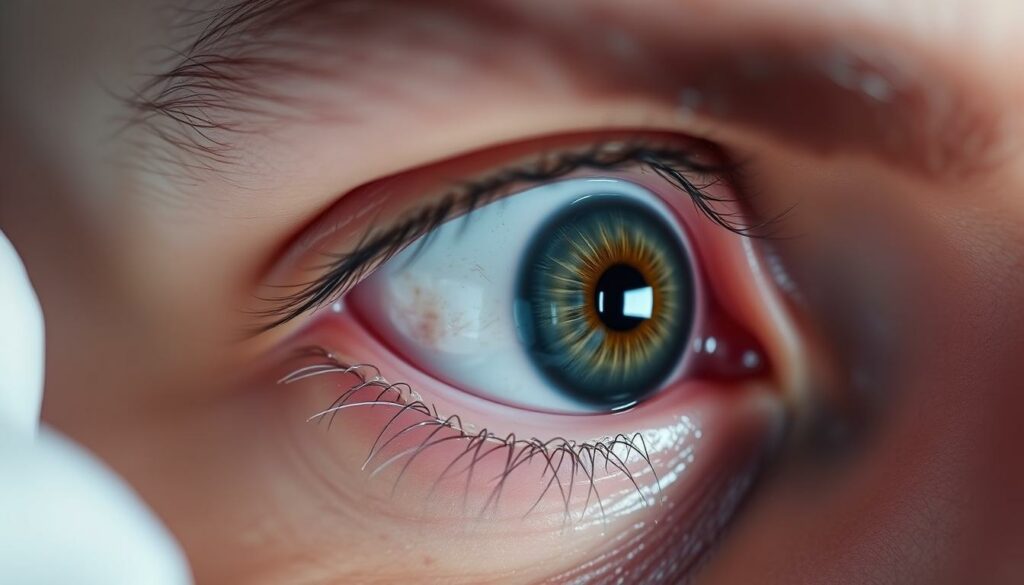
By recognizing the difference between benign episodes and more serious conditions, you can take proactive steps to protect your health. Whether it’s a rare neurological disorder or a simple case of fatigue, being informed empowers you to make the right decisions for your well-being.
Understanding Eye Twitching
Have you ever noticed an unexpected, involuntary movement around your eyelid? This phenomenon is known as eye twitching, a common experience for many. While it’s often harmless, understanding its types and implications is crucial for your health.
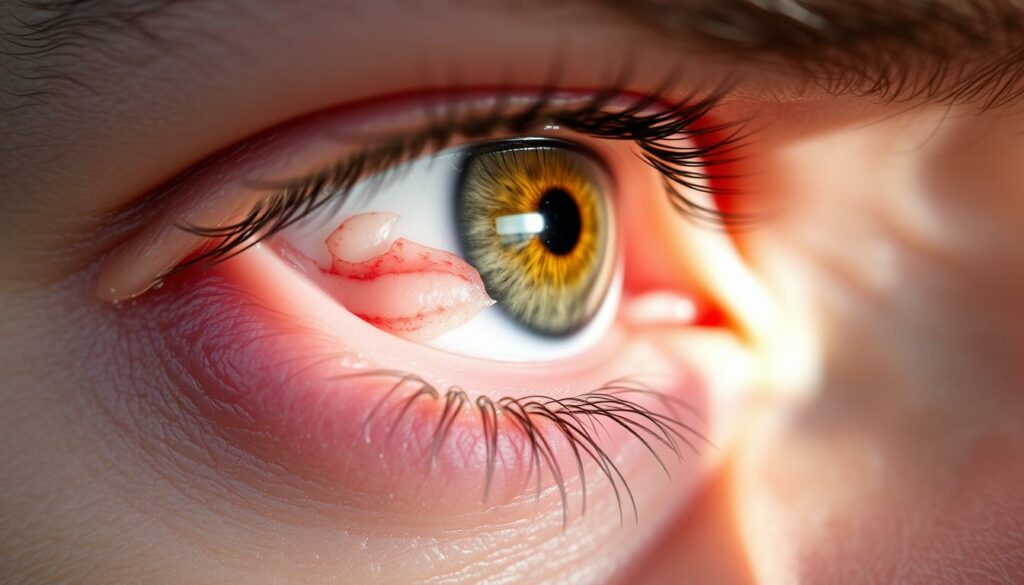
What is Eye Twitching?
Eye twitching, or myokymia, is an involuntary contraction of the eyelid muscles. It’s usually brief and harmless, often occurring without any noticeable cause. This type of twitching is so common that most people experience it at least once in their lifetime.
Types: Eyelid Myokymia vs. Benign Essential Blepharospasm
- Eyelid Myokymia: This is the most common form, characterized by minor, temporary twitching of the eyelid. It often resolves on its own and doesn’t require medical attention.
- Benign Essential Blepharospasm (BEB): A more severe condition involving frequent, involuntary blinking or eye closure. If persistent, it can affect daily activities and may need treatment.
The key difference lies in the involvement of facial muscles. Myokymia affects only the eyelid, while BEB can spread to other facial muscles, potentially impacting quality of life.
Symptoms to watch for include unusual blinking patterns and partial eye closures. While occasional twitches are normal, persistent or severe episodes warrant further evaluation.
Causes and Risk Factors for Eye Twitching
Understanding what triggers involuntary eyelid movements is key to managing them effectively. While often harmless, these spasms can sometimes indicate underlying issues.
Stress, Fatigue, and Caffeine Effects
Stress and fatigue are common culprits. When your body is under stress or overtired, it can lead to muscle contractions, including those around the eyes. Caffeine, in high amounts, can also stimulate the nervous system, increasing the likelihood of such spasms.
Genetic and Neurological Influences
Genetics may play a role, making some people more prone to these spasms. Neurological conditions, such as Parkinson’s disease or stroke, can affect nerve function, potentially causing more frequent or severe episodes.
| Cause | Description | Impact |
|---|---|---|
| Stress | High stress levels can trigger muscle spasms. | May lead to temporary discomfort. |
| Fatigue | Lack of sleep can cause involuntary movements. | Often resolves with rest. |
| Caffeine | Excessive intake can stimulate nerves. | Reduction may decrease spasms. |
| Genetics | Family history may increase susceptibility. | Varies among individuals. |
| Neurological Conditions | Conditions like Parkinson’s affect nerve function. | May require medical attention. |
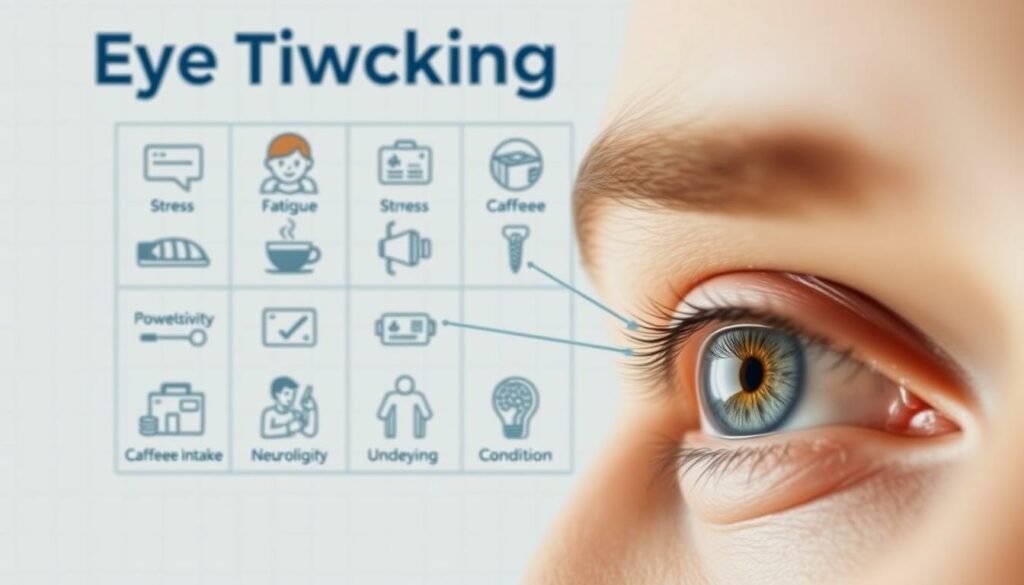
While many causes are benign, persistent spasms could signal a deeper issue. Being aware of these factors helps in managing and preventing episodes effectively.
Recognizing the Symptoms
Identifying the signs of eyelid twitching is crucial for understanding whether it’s a minor issue or something that requires medical attention. Symptoms can vary in intensity and frequency, so monitoring them carefully is essential.
Frequency, Duration, and Intensity of Twitching
Some people experience occasional, mild twitches that last only a few seconds. In other cases, the twitching can be more frequent, occurring several times a day or even throughout the week. It’s important to note how often these episodes happen and how long they last, as persistent or severe twitching may indicate an underlying issue.
Associated Ocular and Facial Indicators
Besides the twitching itself, you might notice other symptoms. These can include light sensitivity, dry eyes, or increased blinking. In some cases, there may be minor facial spasms or discomfort around the eye area. Vision changes, although rare, could also occur and should be taken seriously.
Tracking your symptoms over a few days or a week can provide valuable insights. If you notice a persistent pattern or if the twitching affects your daily activities, it’s a good idea to seek professional advice. While isolated episodes are usually harmless, ongoing or severe symptoms warrant further evaluation to rule out any underlying conditions.
Diagnosis and Medical Evaluation
When experiencing persistent or severe involuntary eyelid movements, it’s important to understand the diagnostic process. A doctor may perform a full neurological and ocular exam. If the twitching does not occur during the office visit, you might be asked to provide a video record of your symptoms.
What to Expect During an Eye Examination
A standard eye and neurological examination typically includes a review of your medical history and physical tests to rule out serious conditions. Your doctor will assess muscle function and check for any signs of nerve damage. This thorough evaluation helps determine if the issue is isolated or part of a larger problem.
When Imaging or Specialist Referrals Are Recommended
Imaging studies, such as CT or MRI scans, may be recommended if your doctor suspects an underlying neurological condition. Referrals to specialists, like neurologists, are considered if initial exams reveal unusual findings. Documenting the frequency and intensity of your symptoms is crucial for an accurate diagnosis.
| Diagnostic Step | Description | Purpose |
|---|---|---|
| Medical History Review | Assessment of personal and family health history. | To identify potential risk factors or underlying conditions. |
| Neurological Exam | Evaluation of nerve function and muscle activity. | To detect any abnormalities that may indicate a serious disease. |
| Imaging Studies | Use of CT or MRI scans for detailed brain imaging. | To rule out neurological disorders that could cause muscle spasms. |
Even if the case seems minor, a professional evaluation is essential to rule out underlying issues. Being detailed and proactive when discussing your symptoms with your doctor ensures a timely and accurate diagnosis, which is key to effective management and peace of mind.
Treatment and Management Options for Eye Twitching
When dealing with persistent or severe involuntary eyelid movements, it’s essential to explore the various treatment options available. From simple lifestyle adjustments to more advanced medical interventions, understanding your choices can help you manage the condition effectively.
Lifestyle Adjustments and Home Remedies
Many cases of eyelid twitching can be alleviated through simple changes in your daily routine. Reducing caffeine intake, ensuring adequate sleep, and practicing stress management techniques can often ease symptoms. Additionally, staying hydrated and maintaining a balanced diet rich in essential nutrients like magnesium and potassium can help reduce muscle spasms.
- Limit caffeine consumption, especially in the evening.
- Aim for 7-8 hours of quality sleep each night.
- Engage in stress-reducing activities such as meditation or deep breathing exercises.
- Stay hydrated to prevent dehydration-related muscle spasms.
Medications, Botox Injections, and Surgical Interventions
For more persistent or severe cases, medical treatments are available. Botulinum toxin injections, commonly known as Botox, are a popular treatment option. These injections temporarily relax the affected muscles, providing relief from spasms. The effects are typically noticeable within a few days and can last for several months.
In rare, chronic cases where other treatments have failed, surgical interventions like myectomy may be considered. This procedure involves removing the affected muscle tissue and is usually reserved for severe, debilitating symptoms.
Always consult with a healthcare professional before starting any treatment. They will help determine the best course of action based on the underlying cause, severity, and duration of your symptoms.
Remember, while many cases improve with home remedies, persistent or severe symptoms require professional guidance. By exploring both non-invasive and invasive treatment options, you can find the right approach to manage your condition effectively.
When to Seek Medical Attention for Eye Twitching
While most cases of eyelid myokymia are harmless, certain signs indicate the need for professional evaluation. Knowing when to consult a doctor is crucial for early diagnosis and effective management.
Warning Signs and Indicators of Underlying Conditions
It’s important to recognize when your symptoms might signal something more serious. If your twitching lasts longer than a week, involves other facial areas, or affects your vision, it’s time to seek medical advice.
- Experience twitching that persists beyond a few days.
- Notice spasms spreading to other parts of your face, such as the cheek or forehead.
- Encounter difficulty seeing clearly or sensitivity to light.
- Develop additional symptoms like facial weakness or drooping eyelids.
| Indicator | Description | Action |
|---|---|---|
| Prolonged Twitching | Spasms lasting more than a week. | Consult a healthcare provider. |
| Facial Involvement | Spasms affecting other facial areas. | Seek immediate medical attention. |
| Visual Changes | Blurred vision or light sensitivity. | Arrange a doctor’s appointment. |
Ignoring these signs could lead to complications. A timely evaluation helps rule out conditions like hemifacial spasm or blepharospasm, ensuring proper treatment and peace of mind.
Conclusion
Understanding the causes and symptoms of involuntary eyelid movements is key to maintaining your ocular health. Most cases are harmless and resolve on their own, but persistent or severe episodes may signal an underlying issue. This article has explored the types of eyelid twitching, from eyelid myokymia to benign essential blepharospasm, and the factors that can trigger them, such as stress, fatigue, and caffeine consumption.
Recognizing the signs, such as changes in frequency or additional facial symptoms, is crucial for determining when to seek medical attention. While lifestyle adjustments and home remedies often alleviate mild cases, persistent symptoms may require professional evaluation and treatments like botulinum toxin injections or surgery.
If your symptoms persist beyond a week or affect your vision, consult a healthcare provider. By staying informed and proactive, you can take charge of your eye health and ensure the best possible outcomes. Remember, understanding these aspects empowers you to make informed decisions about your well-being.
FAQ
What causes eye twitching?
Eye twitching, or eyelid twitch, is often caused by muscle spasms in the facial muscles. Common triggers include stress, fatigue, caffeine, and alcohol consumption. In some cases, it may be linked to nerve issues or dry eye syndrome.
When should I seek medical attention for eye twitching?
You should see a doctor if the twitching persists for more than a few days, worsens over time, or is accompanied by other symptoms like vision problems, facial weakness, or eye pain. These could indicate an underlying condition like blepharospasm or hemifacial spasm.
What is the difference between eyelid myokymia and benign essential blepharospasm?
Eyelid myokymia refers to small, involuntary muscle contractions that are usually harmless and temporary. Benign essential blepharospasm, on the other hand, is a chronic condition where the eyelid muscles spasms uncontrollably, often affecting vision and daily activities.
Can stress and fatigue cause eye twitching?
Yes, stress and fatigue are common causes of eye twitching. When your body is under stress or lacks rest, the facial muscles, including those around the eyes, can become overactive, leading to spasms or twitches.
How is eye twitching diagnosed?
A doctor will typically perform a physical examination and review your medical history. In some cases, imaging tests or consultations with a neurologist or ophthalmologist may be recommended to rule out underlying conditions like nerve damage or brain disorders.
What are the treatment options for eye twitching?
Treatment depends on the severity and cause. Lifestyle changes, such as reducing caffeine and alcohol intake, may help. In severe cases, botulinum toxin injections or medications like muscle relaxants may be prescribed. Surgery is rarely needed but may be considered for conditions like hemifacial spasm.
Can eye twitching be a sign of a more serious condition?
In rare cases, eye twitching can be a symptom of conditions like multiple sclerosis, Parkinson’s disease, or thyroid disorders. If you experience persistent or severe twitching, consult a doctor to rule out these possibilities.
How long does eye twitching typically last?
Most cases of eye twitching are short-lived and resolve on their own within a few days to a week. However, chronic conditions like essential blepharospasm may require long-term management.
Can I prevent eye twitching?
While not always preventable, managing stress, getting enough sleep, staying hydrated, and limiting caffeine and alcohol can reduce the likelihood of eye twitching. Ensuring your eyes are not strained and treating dry eye syndrome can also help.

Dry eye syndrome, also known as dry eye disease, is a common yet often misunderstood condition that affects millions of Read more

Blurry vision can make everyday tasks challenging, affecting how you see the world. It might cause you to squint or Read more

In today’s digital age, the prevalence of myopia, also known as nearsightedness, is rising at an alarming rate. This condition Read more
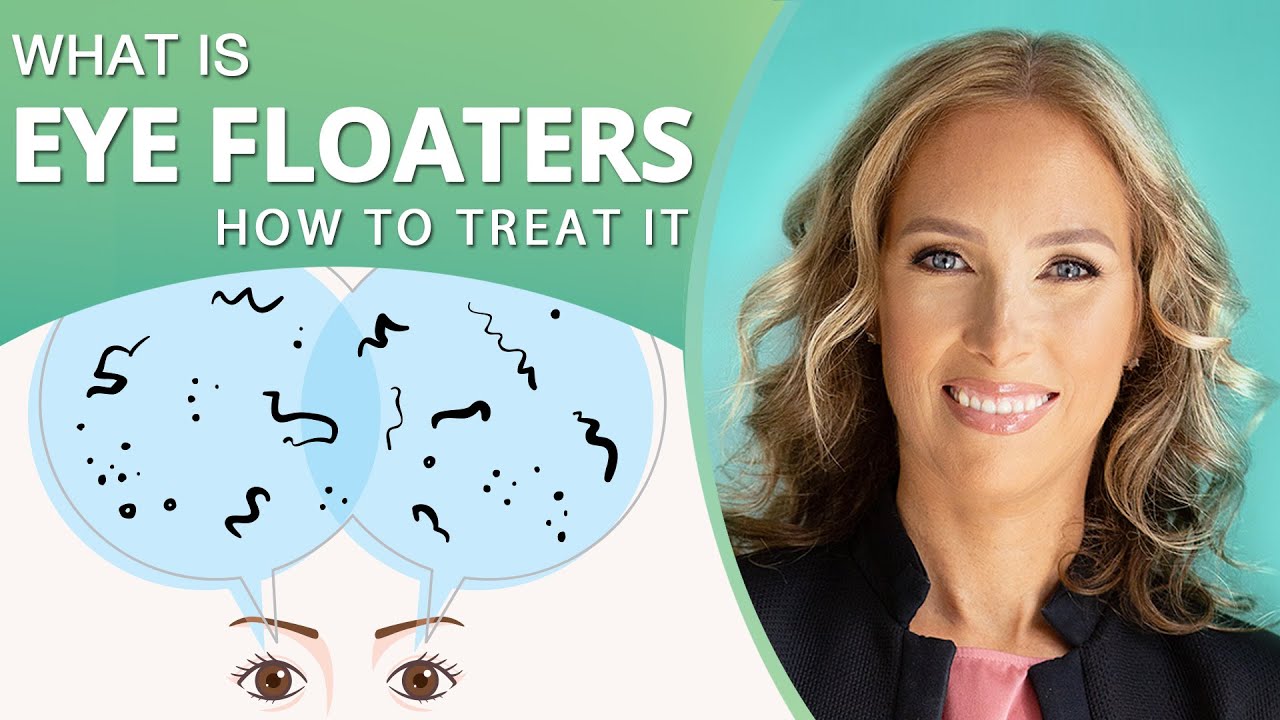
What Are Eye Floaters | How to Treat Eye Floaters Naturally Imagine looking up at a clear blue sky or Read more