Dry eye syndrome, also known as dry eye disease, is a common yet often misunderstood condition that affects millions of people worldwide. It occurs when your eyes don’t produce enough tears or when the tears are of poor quality. This can lead to discomfort, blurred vision, and even more severe complications if left untreated.
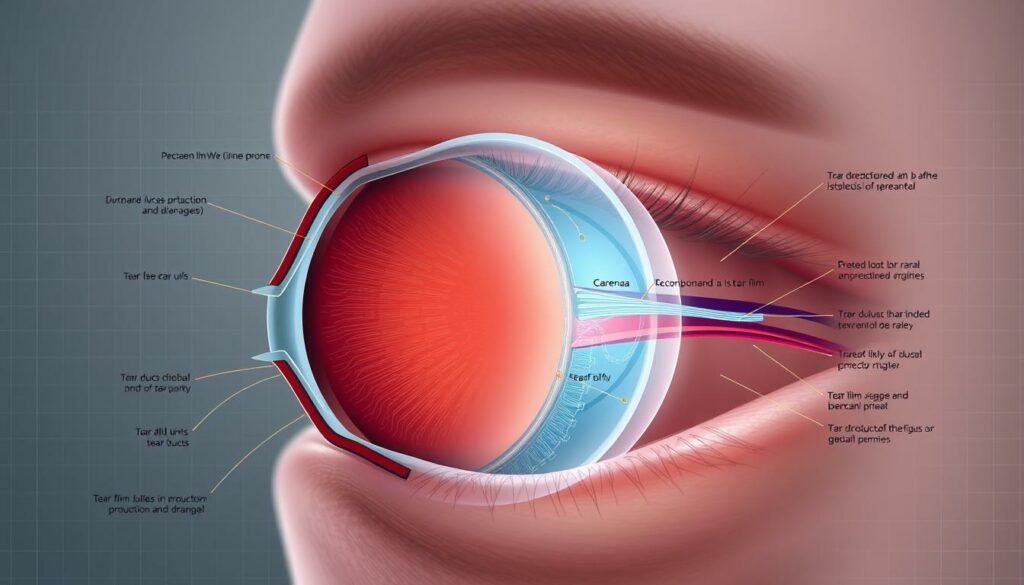
Understanding dry eye syndrome is crucial for managing its symptoms and preventing progression. This condition is classified as both a disease and a syndrome, often affecting both eyes. It can result from inadequate tear production or an imbalance in the composition of your tears, which have three layers: oil, water, and mucus.
Treatment options vary widely, ranging from over-the-counter eye drops to prescription medications like cyclosporine. In some cases, long-term use of these treatments may be necessary to manage symptoms effectively.
In this article, we’ll explore the symptoms, causes, diagnostic tests, and effective treatments for dry eye syndrome. By understanding the basics, you can take the first step toward managing your eye health and improving your quality of life.
Understanding Dry Eye
Dry eye syndrome is a condition that occurs when your eyes don’t produce enough tears or the tears are of poor quality. This can lead to discomfort, blurred vision, and more severe complications if left untreated. Understanding this condition is crucial for managing its symptoms and preventing progression.
What is Dry Eye Syndrome?
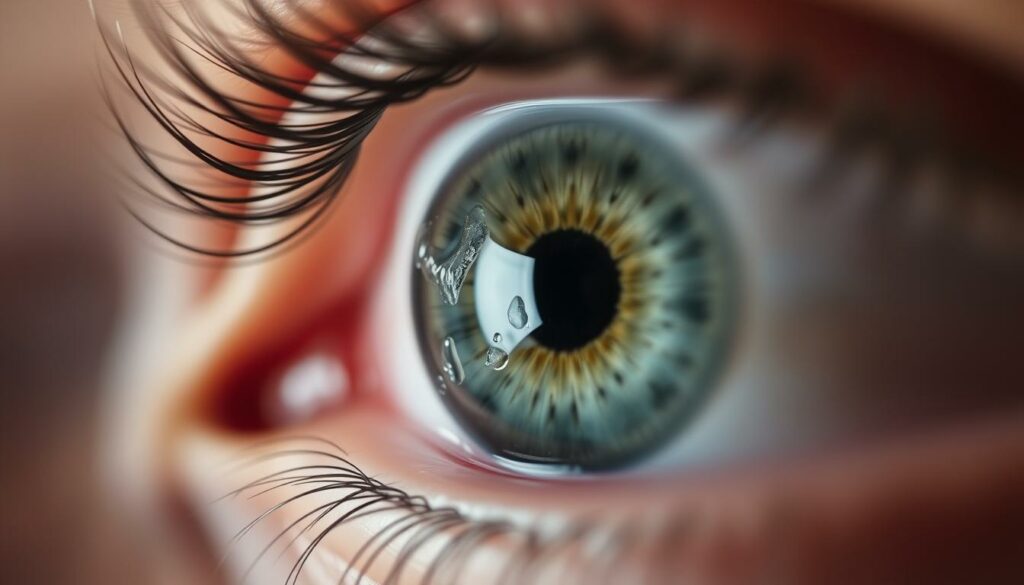
Dry eye syndrome is characterized by a disruption in the tear film, which is essential for maintaining eye moisture. The tear film has three layers: oil, water, and mucus. When this protective layer is compromised, it can lead to irritation and discomfort. Common symptoms include burning, itching, and the sensation of something in your eye.
How It Impacts Your Daily Life
The symptoms of dry eye syndrome can significantly impact your daily activities. Simple tasks like reading, driving, or using a computer can become challenging due to blurred vision and discomfort. Recognizing these symptoms early is important to maintain overall eye health. Lifestyle and health factors, such as hormonal changes or certain medications, can also contribute to the development of this condition.
Recognizing the Symptoms
Identifying the signs of dry eye syndrome is the first step toward effective management. While some symptoms may seem mild at first, they can progress if left unaddressed.
Common Signs: Burning, Itching & Redness
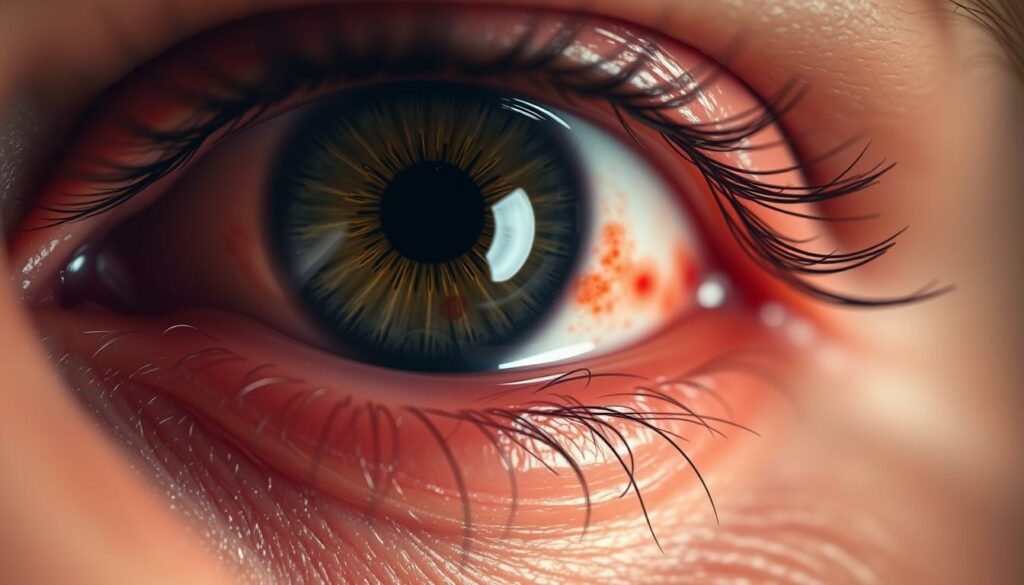
Many people experience a burning or itching sensation in their eyes, which can be uncomfortable. Redness is another common symptom, often accompanied by a gritty feeling. These signs can disrupt daily activities like reading or driving.
When to Know It’s More Than Just Dryness
While eye drops may provide temporary relief, persistent symptoms like blurred vision or eye fatigue could indicate a more serious issue. If you notice stringy mucus or increased sensitivity to light, it’s important to seek professional diagnosis to rule out infections or other complications.
Don’t ignore persistent symptoms, as they can lead to infections or worsen your condition over time.
Investigating Causes and Risk Factors
Understanding the causes of tear film dysfunction is essential for effective management. Several factors can disrupt normal tear production and stability.
Aging, autoimmune disorders, and hormonal changes are key internal causes that reduce tear production.Additionally, certain medications can impair the quality of your tears. External factors, such as environmental conditions and prolonged contact lens use, can accelerate tear evaporation.
Lifestyle choices, like extended screen time, also contribute to tear instability. Identifying the exact cause is crucial for selecting the right treatment strategy. By understanding these risk factors, you can take proactive steps to protect your eye health and prevent complications.
Diagnostic Approaches for Dry Eye
Accurately diagnosing dry eye syndrome is crucial for effective treatment. Various tests help eye care professionals assess the condition’s severity and underlying causes.
Tear Production and Schirmer Tests
The Schirmer test measures tear production by placing a small strip under the eyelid. If less than 10mm of moisture is produced after five minutes, it may indicate insufficient tear production. This test is often complemented by assessing tear breakup time, which shows how quickly tears evaporate.
Assessing Tear Film Stability and Inflammation
Tear film stability is evaluated using tests like fluorescein staining, which highlights areas of tear deficiency. Inflammation, detected through InflammaDry, identifies elevated MMP-9 levels, common in dry eye cases. Examining the eyelids and meibomian glands reveals blockages or inflammation affecting tear quality.
Artificial tears can serve as both a diagnostic tool and treatment, helping gauge symptom relief. Precise diagnosis is key to personalized treatment plans addressing specific issues like tear production or inflammation.
Exploring Treatment Options
Managing dry eye syndrome effectively often requires a combination of treatments tailored to your specific needs. This approach ensures you address both the symptoms and the underlying causes, providing long-term relief and improving your quality of life.
Artificial Tears and Prescription Medications
Artificial tears are a common first step in managing dry eye. They help supplement the eye’s natural moisture layer, reducing irritation and discomfort. For more severe cases, prescription medications like ciclosporin can be prescribed. These medications work to reduce inflammation and increase tear production over time, helping to restore the health of your eyes.
Medical Procedures and Lifestyle Modifications
In some cases, medical procedures may be necessary. Punctal plugs can be inserted to reduce tear loss, while thermal pulsation devices help unblock oil glands in the eyelids. Lifestyle changes also play a crucial role in managing the condition. Adjusting screen time, improving indoor air quality, and ensuring proper lens care can significantly improve symptoms. Additionally, maintaining the quality of the oil layer in the tear film is essential for overall eye health.
By combining these treatments, you can create a personalized plan that addresses your specific needs and helps you manage the condition effectively.
Lifestyle and Management Strategies
Managing dry eye symptoms can be achieved through simple yet effective lifestyle adjustments. By understanding how your environment and daily habits impact your eye health, you can take proactive steps to reduce discomfort and prevent complications.
Environmental Adjustments and Protective Eyewear
One of the most effective ways to manage symptoms is by controlling your environment. Using a humidifier can help maintain moisture in the air, reducing tear evaporation. Additionally, wearing protective eyewear outdoors can shield your eyes from wind and dust, which are known to increase tear evaporation and cause watery eyes. These small changes can make a significant difference in your daily comfort.
Contact Lens Considerations and Breaks
If you wear contact lenses, proper care is essential to minimize discomfort. Regularly cleaning your lenses and taking scheduled breaks can help maintain tear film stability. Taking breaks from screen time, such as following the 20-20-20 rule, can also reduce tear evaporation and promote eye health. These procedures are simple yet effective in managing symptoms and improving your quality of life.
Preventive Measures for Long-Term Eye Health
Protecting your vision requires more than just treating symptoms. Taking proactive steps can significantly reduce the risk of complications and maintain healthy vision for years to come.
Regular check-ups with an eye care professional are essential. They can assess the health of your meibomian gland, which plays a crucial role in tear quality. Quality medications, when prescribed, can help maintain proper gland function and prevent issues from arising.
In some cases, minor surgical interventions may be necessary to address underlying problems. These procedures can prevent the progression of the condition and ensure your eyes remain healthy.
Being proactive about your eye care is vital. This includes considering adjustments to your medication regimen and making lifestyle changes that support eye health. Lifestyle choices, when combined with professional medical advice, can prevent symptoms from worsening over time.
- Use high-quality medications as prescribed to support tear production.
- Consider minor surgical options if recommended by your doctor.
- Adopt healthy lifestyle habits to promote overall eye health.
By following these preventive measures, you can safeguard your eye health and enjoy clear, comfortable vision for the long term.
Conclusion
Proactive management of surface eye health is crucial for addressing dry eye syndrome effectively. This condition impacts not just the surface eye areas but also your overall vision and quality of life. By understanding its causes, symptoms, and treatments, you can take charge of your eye health.
Use the insights provided here as a guide to seek proper diagnosis and treatment. Combining medical treatments with lifestyle modifications is key to managing the condition. Regular eye check-ups and continued care will help maintain optimal eye health.
Don’t wait—take proactive steps today to protect your vision and ensure clear, comfortable sight for years to come.
FAQ
What are the most common symptoms of dry eye syndrome?
Common symptoms include a gritty or sandy sensation in your eyes, redness, blurred vision, and excessive tearing. You might also experience discomfort when wearing contact lenses or difficulty shedding tears.
Can dry eye syndrome be caused by environmental factors?
Yes, environmental factors like dry air, wind, or prolonged screen time can contribute to dry eye syndrome. Additionally, certain medications and health conditions can also play a role in reducing tear production.
How is dry eye syndrome diagnosed?
Diagnosis often involves a comprehensive eye exam, including tests like the Schirmer test to measure tear production and assessments of tear film stability. Your doctor may also check for inflammation or blockages in the meibomian glands.
What are the best treatment options for dry eye syndrome?
Treatment options include artificial tears, prescription medications to increase tear production, and procedures to unblock the meibomian glands. In some cases, lifestyle changes like reducing screen time or using a humidifier can also help.
Can contact lens wearers develop dry eye syndrome?
Yes, contact lens wearers are at a higher risk of developing dry eye syndrome due to reduced oxygen supply to the cornea and increased evaporation of the tear film. If symptoms persist, consider switching to breathable lenses or taking regular breaks.
How can I prevent dry eye syndrome from worsening?
To prevent dry eye syndrome from worsening, stay hydrated, avoid rubbing your eyes, and use protective eyewear in windy or dusty environments. Regular eye exams can also help catch issues early and prevent progression.
Is dry eye syndrome curable?
While dry eye syndrome is not curable, it can be effectively managed with the right treatment plan. This may include a combination of lifestyle changes, medications, and ongoing care to maintain eye health and comfort.
Can surgery be an option for treating dry eye syndrome?
In severe cases, procedures like punctal plugs to reduce tear evaporation or surgery to address blocked tear ducts may be recommended. However, surgery is typically considered only when other treatments have not provided sufficient relief.
How does inflammation contribute to dry eye syndrome?
Inflammation can damage the tear glands and disrupt the normal production of tears, leading to dry, irritated eyes. Treating inflammation is often a key part of managing dry eye syndrome.
Can diet impact dry eye syndrome?
Yes, a diet rich in omega-3 fatty acids, antioxidants, and vitamins A and E can support eye health and improve tear quality. Drinking plenty of water is also essential to maintain proper hydration and tear production.
In today’s digital age, the prevalence of myopia, also known as nearsightedness, is rising at an alarming rate. This condition Read more

What Are Eye Floaters | How to Treat Eye Floaters Naturally Imagine looking up at a clear blue sky or Read more
Have you ever experienced a sudden, involuntary movement of your eyelid? This common phenomenon is known as eye twitching, and while Read more
Blurry vision can make everyday tasks challenging, affecting how you see the world. It might cause you to squint or Read more