Blurry vision can make everyday tasks challenging, affecting how you see the world. It might cause you to squint or rub your eyes to see clearly. This issue can develop gradually or suddenly, each with different implications for your eye health.
Common causes include refractive errors like myopia (nearsightedness), hyperopia (farsightedness), and astigmatism. Other factors are eye strain from digital devices, underlying medical conditions, or physical trauma. This guide explores ten common causes and offers solutions, from natural remedies to professional treatments.
Understanding the reasons behind your blurry vision is crucial for maintaining healthy eyes. This guide invites you to learn more about preserving your vision and addressing any issues promptly.
What is Blurry Vision?
Blurry vision occurs when your eyes struggle to focus, making images appear unclear or fuzzy. This can happen in one or both eyes and may develop gradually or suddenly. It often leads to behaviors like squinting or blinking to try to see more clearly.
Defining Blurry Vision and Its Symptoms
Common symptoms include needing to squint frequently, blinking more than usual, or experiencing eye discomfort. These symptoms can signal a range of issues, from mild, temporary problems to more serious conditions requiring medical attention.
When You Should Seek Medical Help
If your blurry vision appears suddenly or affects only one eye, it’s crucial to seek immediate medical help. Additional signs like flashing lights or partial vision loss also warrant urgent care. Early recognition can prevent complications, so consulting a doctor when these symptoms arise is essential.
| Symptom | Description | Action |
|---|---|---|
| Sudden Blurriness | Appears quickly, often in one eye | Seek immediate medical help |
| Flashing Lights | Seeing sudden flashes | Consult a doctor urgently |
| Vision Loss | Partial or complete loss | Seek emergency care |
Recognizing these signs early can lead to timely interventions, preserving your eye health and preventing further issues. Always consult a healthcare professional if you experience concerning symptoms.
Common Refractive Errors and How They Cause Blurry Vision
Refractive errors are a leading cause of blurry vision, impacting millions worldwide. These conditions affect how light focuses on your retina, leading to unclear images. Understanding the types of refractive errors can help you address the root cause of your vision issues.
Nearsightedness, Farsightedness, and Astigmatism
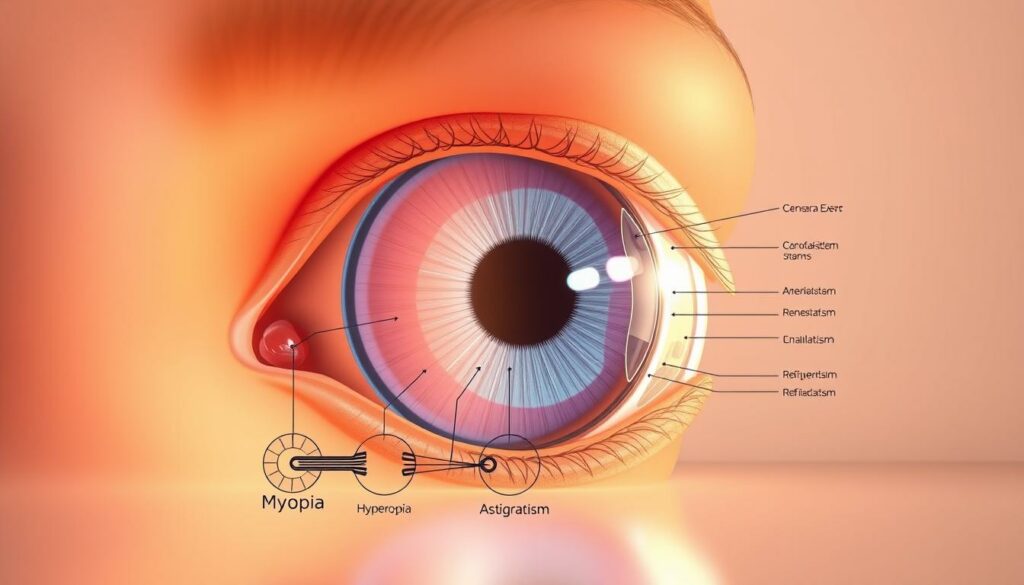
Nearsightedness (myopia) makes distant objects appear blurry, while farsightedness (hyperopia) affects your ability to see things up close. Astigmatism causes blurry vision at all distances due to an irregularly shaped cornea. Each type alters how your eyes process light, requiring specific corrective measures.
Presbyopia and Natural Aging Changes
As you age, natural changes in your eyes can lead to presbyopia, typically starting around age 40. This condition makes focusing on nearby objects difficult, often when reading or performing tasks that require close attention. Regular eye exams are crucial to update your prescription and maintain clear vision.
Proper diagnosis of these conditions is key to restoring clarity. Whether through glasses, contact lenses, or surgery, corrective solutions can significantly improve your vision and overall quality of life.
Eye Strain and Digital Overuse
In today’s digital age, extended screen time has become a common cause of eye discomfort. Prolonged use of computers, smartphones, and other devices can lead to eye strain, often accompanied by headaches and temporary vision issues.
How Long Hours on Screens Affect Your Eyes
Spending extended periods on digital devices can cause eye strain due to the constant focus required. Blue light from screens can contribute to discomfort, affecting both your brain and eyes. This strain often results in headaches and eye fatigue, which can be alleviated with proper techniques.
Techniques to Reduce Eye Strain
To mitigate eye strain, try the 20-20-20 rule: every 20 minutes, look at something 20 feet away for 20 seconds. Using screen filters and adjusting lighting can also help. Regular breaks and proper screen positioning are essential for long-term comfort.
| Cause | Effect | Solution |
|---|---|---|
| Extended Screen Time | Eye Strain, Headaches | Follow the 20-20-20 rule |
| Blue Light Exposure | Eye Discomfort | Use screen filters |
| Poor Posture | Neck and Shoulder Pain | Adjust screen position |
By incorporating these strategies, you can reduce the impact of digital overuse and maintain healthier eyes. Remember to take regular breaks and consult a professional if discomfort persists.
Underlying Health Conditions Linked to Vision Loss
Your overall health plays a significant role in maintaining clear vision. Certain medical conditions can affect your eyes, leading to serious issues if left untreated. Diabetes and high blood pressure are two such conditions that can cause significant vision problems.
Diabetes and Diabetic Retinopathy
Diabetic retinopathy is a common complication of diabetes. It occurs when high blood sugar levels damage the small blood vessels in your retina. Over time, this can lead to vision loss. Managing your blood sugar levels is crucial to preventing this condition. Regular eye exams can help detect early signs of diabetic retinopathy, allowing for timely treatment.
High Blood Pressure, Stroke, and Vision Changes
High blood pressure can cause fluid to build up behind your retina, leading to vision changes. In severe cases, a stroke can result in sudden vision loss. Both conditions highlight the importance of monitoring your health and seeking medical advice if you notice any unusual symptoms. Early intervention can prevent permanent damage.
| Condition | Effect | Solution |
|---|---|---|
| Diabetic Retinopathy | Vision Loss | Manage Blood Sugar Levels |
| High Blood Pressure | Fluid Buildup Behind Retina | Regular Checkups |
| Stroke | Sudden Vision Loss | Seek Immediate Medical Help |
Recognizing the symptoms of these conditions early can help prevent long-term vision loss. Regular health checkups and proper management of underlying conditions are essential for maintaining your eye health.
Infections and Inflammatory Conditions Impacting Your Eyes
Your eyes can be affected by various infections and inflammatory conditions, leading to discomfort and vision issues. These conditions can cause irritation, swelling, and, if left untreated, more serious complications.
Pink Eye, Conjunctivitis, and Corneal Infections
Pink eye, or conjunctivitis, is a common infection that causes redness and irritation. It can be contagious and is often caused by viruses, bacteria, or allergies. Corneal infections, on the other hand, affect the clear outer layer of your eye, the cornea, and can lead to significant vision disturbances if not treated promptly. These infections often result in redness, itching, and a gritty sensation in the eyes.
Early intervention by an eye care professional is crucial to prevent long-term damage. Untreated corneal infections can lead to scarring and permanent vision loss.
Uveitis and Other Inflammatory Disorders
Uveitis is a form of eye inflammation that affects the uvea, the middle layer of the eye. It can cause swelling, pain, and sensitivity to light. If left untreated, uveitis can lead to complications like cataracts or glaucoma. Other inflammatory conditions, such as neuritis, affect the optic nerve and can cause vision loss.
Inflammation can be caused by infections, autoimmune disorders, or unknown factors. Conditions like uveitis often require immediate treatment to prevent permanent damage. Regular check-ups and prompt medical care are essential for managing these conditions effectively.
| Condition | Symptoms | Treatment |
|---|---|---|
| Pink Eye | Redness, itching, discharge | Antibiotic drops (if bacterial) |
| Corneal Infections | Eye pain, blurred vision, redness | Antiviral or antifungal medication |
| Uveitis | Sensitivity to light, eye pain | Anti-inflammatory medication |
Recognizing the signs of these conditions early can help prevent long-term damage. Always consult a healthcare professional if you experience unusual symptoms.
Neurological Causes Behind Blurry Vision
Neurological issues can significantly impact your eye health, leading to temporary or persistent visual disturbances. These conditions often stem from problems within the brain or optic nerve, affecting how your eyes process visual information.
Migraines, Auras, and Their Visual Impact
Migraines are a common neurological condition that can cause visual disturbances. A migraine can present with a visual aura, which includes flashes of light and zigzag patterns before the headache begins. These auras can create temporary blind spots or distortions in your field of vision.
During a migraine, you might experience sensory changes such as numbness or weakness. These symptoms can sometimes be accompanied by difficulty speaking or facial drooping, which may indicate a more serious neurological event. Recognizing these signs early is crucial for proper evaluation and treatment.
Another condition closely linked to neurological health is optic neuritis, an inflammation of the optic nerve. This condition is often associated with multiple sclerosis and can cause pain when moving your eyes, along with vision loss. Prompt medical attention is essential to address the underlying cause and prevent further complications.
| Condition | Symptoms | Associated With |
|---|---|---|
| Migraine with Aura | Flashing lights, zigzag patterns, numbness, weakness | Neurological events |
| Optic Neuritis | Vision loss, eye pain, color vision changes | Multiple Sclerosis |
If you experience recurring migraines with visual auras or symptoms of optic neuritis, consult a neurologist for a comprehensive evaluation. Early intervention can help manage these conditions effectively and reduce the risk of long-term vision problems.
Vision Problems from Injuries and Trauma
Physical injuries can significantly impact your eye health, leading to sudden vision issues. Trauma to the eye can cause immediate disruptions, such as a detached retina or corneal abrasion, which require urgent attention.
Detached Retina and Corneal Abrasions
A detached retina occurs when the retina separates from the back of the eye, often due to trauma. This condition can cause sudden vision loss and requires immediate medical care. Corneal abrasions, or scratches on the cornea, can also lead to pain and temporary vision disturbances.
Emergency Care for Eye Injuries
Recognizing eye injuries as emergencies is crucial. If you experience sudden vision changes or severe eye pain after trauma, seek immediate medical help. Prompt treatment can prevent permanent damage and restore vision clarity.
| Condition | Effect | Solution |
|---|---|---|
| Detached Retina | Sudden vision loss | Emergency surgery |
| Corneal Abrasion | Pain and blurred sight | Medical evaluation |
Understanding the signs of eye injuries and seeking prompt care can prevent long-term vision loss. Always treat eye injuries with urgency to ensure the best outcomes for your eye health.
Pressure-Related Eye Disorders: Glaucoma and Cataracts
Eye health can be significantly impacted by conditions related to pressure and degeneration. Two common issues are glaucoma and cataracts, which can gradually affect your ability to see clearly.
Identifying Warning Signs of Closed-Angle Glaucoma
Closed-angle glaucoma is a condition where increased pressure in the eye damages the optic nerve. It often appears suddenly and can cause severe eye pain, headaches, and vision problems. If left untreated, it can lead to permanent vision loss. Recognizing these symptoms early is crucial for effective treatment.
How Cataracts Can Gradually Blur Your Vision
Cataracts involve the clouding of the eye’s lens, which can develop over time. This condition often results in blurry or dim vision, making everyday activities more challenging. While cataracts progress slowly, they can significantly impact your quality of life if not addressed.
| Condition | Effect | Solution |
|---|---|---|
| Glaucoma | Optic nerve damage from high pressure | Medication or surgery |
| Cataracts | Clouded lens impairing vision | Surgical lens replacement |
Regular eye exams are essential for early detection and treatment of these conditions. Prompt medical care can help preserve your vision and prevent further complications.
Natural and Medical Treatments for Blurry Vision
Treating blurry vision involves a combination of home remedies and professional interventions. Once the cause is identified, treatments can range from simple at-home solutions to advanced medical procedures.
Home Remedies and Lifestyle Adjustments
For mild cases, artificial tears can help with dry eyes, while resting your eyes can reduce strain. Managing sugar levels is crucial for those with diabetes to prevent complications. Eating a balanced diet rich in vitamins A and C, along with regular exercise, supports overall eye health.
When to Seek Professional Medical Interventions
Professional treatments might include updating your eyewear prescription or undergoing laser surgery. The eye-brain connection plays a key role in processing visual information, so addressing issues in both areas is essential for clear sight.
Balancing natural remedies with professional advice ensures optimal eye health. Always consult a healthcare professional for persistent issues to prevent long-term damage and maintain clear vision.
Conclusion
While many causes of vision issues can be treated effectively, sudden changes in vision warrant immediate attention to avoid permanent damage. This article has explored various factors, from chronic conditions like diabetes and high blood pressure to injuries and neurological issues, all of which can lead to loss of clear vision.
Identifying the correct cause is crucial for selecting the right treatment approach. For instance, problems with the optic nerve, such as optic neuritis, often require urgent care. Similarly, cases of sudden blurry vision can signal serious conditions like stroke or detached retina, which demand immediate medical intervention.
Always monitor your eye health and consult professionals immediately if you experience concerning head symptoms or vision changes. Early detection and treatment are key to preserving your vision and overall well-being.
FAQ
What are the most common causes of blurry vision?
Blurry vision can result from refractive errors like nearsightedness, farsightedness, or astigmatism. It may also be caused by eye strain, dry eyes, or underlying health conditions such as diabetes or high blood pressure. In some cases, it could indicate more serious issues like optic neuritis or a detached retina.
When should I seek immediate medical attention for blurry vision?
If your vision becomes suddenly blurry, especially if it’s accompanied by symptoms like eye pain, headaches, numbness, or weakness, seek medical help right away. These could be signs of a stroke, optic neuritis, or other serious conditions requiring urgent care.
Can eye strain from screen use cause blurry vision?
Yes, prolonged screen time can lead to eye strain, which may cause temporary blurry vision. Following the 20-20-20 rule—looking away every 20 seconds to focus on something 20 feet away for 20 seconds—can help reduce this strain.
How does diabetes affect vision?
Diabetes can cause diabetic retinopathy, a condition that damages the blood vessels in the retina. This may lead to blurred vision, blind spots, or even vision loss if left untreated. Managing blood sugar levels is crucial to preventing such complications.
What is optic neuritis, and how does it impact vision?
Optic neuritis is an inflammation of the optic nerve, often causing pain and blurred or lost vision, usually in one eye. It can be associated with conditions like multiple sclerosis. Treatment may include corticosteroids to reduce inflammation.
Can high blood pressure cause vision problems?
Yes, uncontrolled high blood pressure can damage the blood vessels in the retina, leading to vision changes, including blurriness. In severe cases, it may result in hypertensive retinopathy, which requires immediate medical attention.
How can migraines affect vision?
Migraines can cause visual auras, such as seeing flashing lights or zigzag patterns, which may be followed by blurry vision. While usually temporary, frequent or severe migraines should be discussed with a doctor to rule out other issues.
What are the warning signs of a detached retina?
Sudden flashes of light, an increase in eye floaters, or a shadow or curtain descending over your vision are potential signs of a detached retina. This is a medical emergency requiring immediate treatment to prevent permanent vision loss.
Can cataracts cause blurry vision?
Yes, cataracts cloud the lens of the eye, leading to gradual blurriness and difficulty seeing clearly. While they develop slowly, they can significantly impair vision if left untreated. Surgery is often the most effective treatment.
How can I prevent blurry vision caused by eye infections?
Practicing good hygiene, such as washing your hands regularly and avoiding sharing makeup or contact lenses, can help prevent infections like conjunctivitis or uveitis. If symptoms like redness or discharge occur, consult a doctor promptly.
What are the treatment options for blurry vision?
Treatment depends on the cause. Refractive errors may be corrected with glasses, contact lenses, or LASIK surgery. For conditions like cataracts or glaucoma, medical or surgical interventions are often necessary. Always consult a healthcare professional for personalized advice.
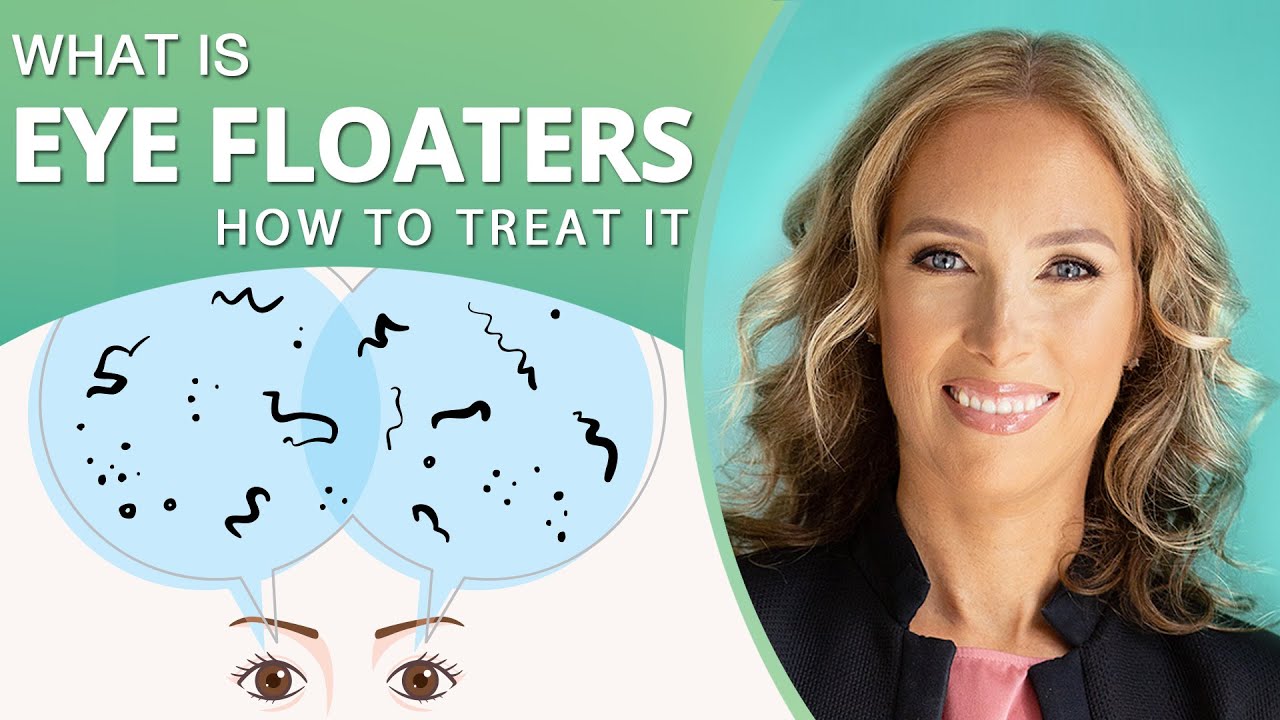
What Are Eye Floaters | How to Treat Eye Floaters Naturally Imagine looking up at a clear blue sky or Read more
Have you ever experienced a sudden, involuntary movement of your eyelid? This common phenomenon is known as eye twitching, and while Read more

In today’s digital age, eye strain has become a common issue for many of us. Whether you’re working on a computer, reading Read more

Dry eye syndrome, also known as dry eye disease, is a common yet often misunderstood condition that affects millions of Read more