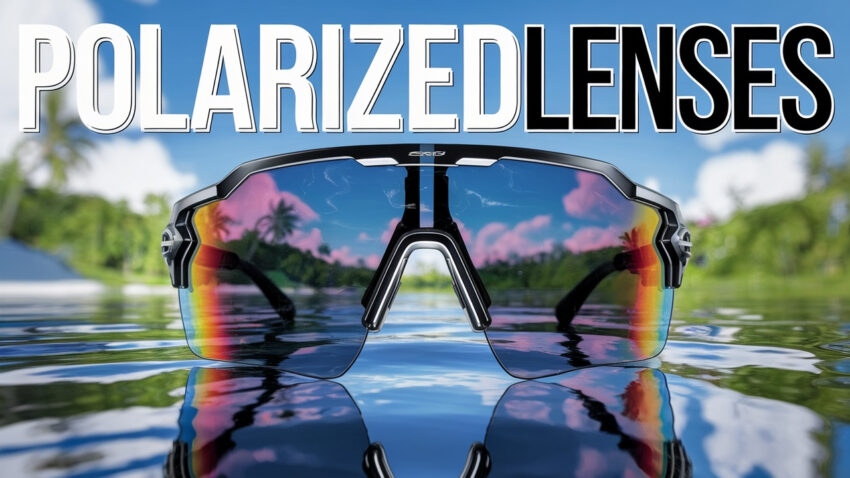
Imagine stepping outside on a sunny day, but instead of squinting through glare, you see the world with crystal clarity. Polarized sunglasses make this possible by filtering out horizontal light waves that cause glare from surfaces like water, roads, and snow.
These lenses act like an auto-enhancement tool for your vision, allowing true colors to shine through. Whether you’re driving, fishing, or enjoying a day at the beach, polarized sunglasses transform everyday views into vibrant, picturesque scenes—almost like having a “living Instagram” effect.
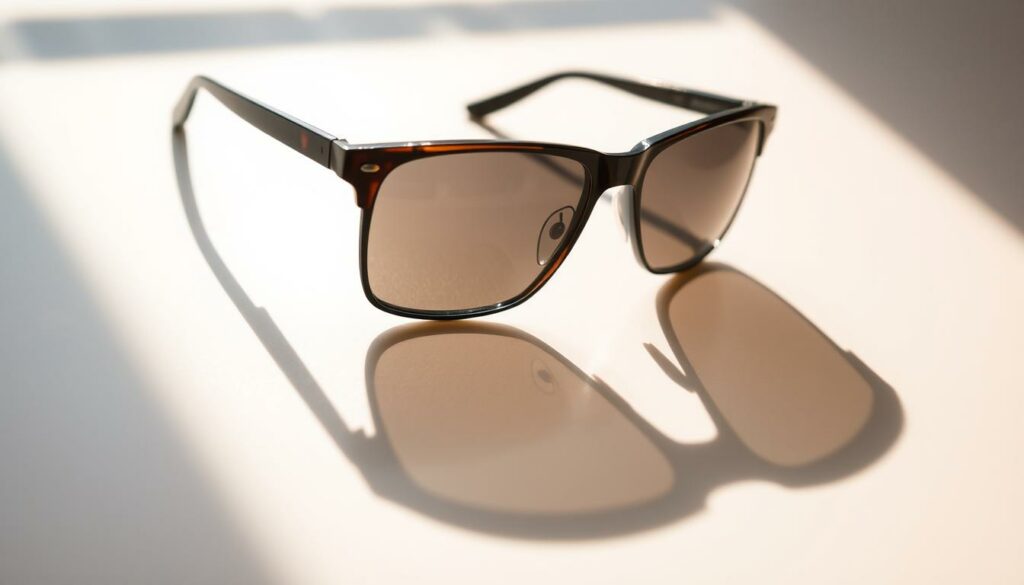
The science behind these lenses is simple yet effective. By blocking horizontal light rays, they reduce eye strain and enhance color contrast, making everything look sharper and more defined. This makes them ideal for outdoor activities and driving, where glare can be a distraction.
In essence, polarized sunglasses offer a practical solution to everyday glare, turning a bright day into a visually comfortable experience. They’re not just an accessory; they’re a tool that enhances how you see the world.
Understanding Polarized Lenses
Polarized lenses are designed to improve your vision by reducing glare from reflective surfaces. This technology is especially useful in bright outdoor conditions, making it ideal for activities like driving or fishing. But how exactly do these lenses work?
What Are Polarized Lenses?
Polarized lenses are created using a special chemical process that filters out horizontal light waves. These horizontal waves are the primary cause of glare from surfaces like water or snow. By allowing only vertical light to pass through, polarized lenses reduce eye strain and enhance clarity.
The Science Behind Polarization
The science involves a filter that blocks horizontal light. When light reflects off surfaces, it often skews horizontally, creating glare. Polarized lenses act as a barrier, letting only vertical light enter. This results in sharper images and truer colors, as less scattered light reaches your eyes. The filter’s angle is crucial, ensuring optimal glare reduction without distorting your view.
How Polarized Lenses Work
Have you ever wondered how polarized sunglasses manage to eliminate glare so effectively? The secret lies in their unique filtering system.
Vertical Filter Mechanism
Polarized lenses feature a special vertical filter that blocks horizontally reflected light. This filter is made using a chemical process that aligns molecules vertically. As a result, only vertical light waves can pass through, significantly reducing glare from surfaces like water or roads.
Blocking Horizontal Glare
When light reflects off flat surfaces, it often does so horizontally. Polarized lenses are designed to block these horizontal waves, allowing only vertical light to enter. This not only reduces eye strain but also enhances color contrast and clarity, making scenes appear sharper and more vibrant.
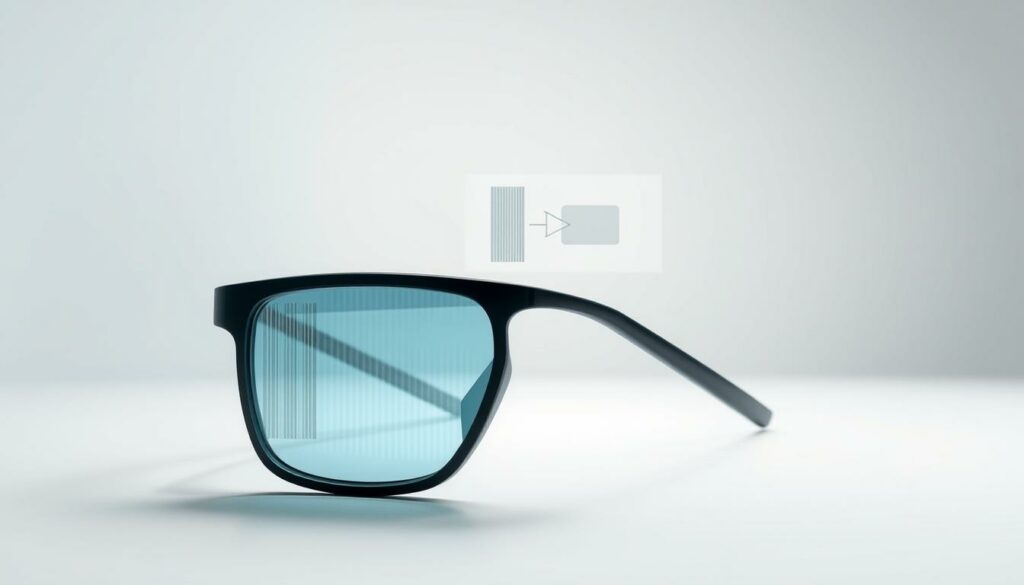
In everyday situations like driving or fishing, this technology proves invaluable. By minimizing glare, it improves visual comfort and reduces the strain on your eyes, making it easier to enjoy outdoor activities without discomfort.
| Feature | Polarized Lenses | Non-Polarized Lenses |
|---|---|---|
| Glare Reduction | Blocks horizontal light, reducing glare significantly | May reduce glare through tint but less effectively |
| UV Protection | Often includes 100% UV protection | May or may not include UV protection |
| Clarity | Enhances color contrast and sharpness | May darken view but doesn’t enhance clarity |
The vertical filter mechanism in polarized lenses is a game-changer for anyone seeking to reduce glare and enhance their visual experience outdoors. Whether you’re driving, fishing, or simply enjoying a sunny day, these lenses provide unmatched clarity and comfort.
Polarized Lenses: Benefits And Uses
Have you ever struggled with glare while driving or enjoying time outdoors? Polarized sunglasses offer a practical solution, transforming how you experience the world around you.
Everyday Advantages of Reduced Glare
One of the most significant benefits of these lenses is their ability to reduce glare from reflective surfaces like water, roads, and snow. By blocking horizontally reflected light, they minimize eye strain, making your vision clearer and more comfortable. This is especially noticeable during activities like driving, where glare from windshields can be a safety hazard.
Enhanced Visual Comfort
The enhanced clarity provided by polarized lenses allows you to see the world more vividly. Whether you’re driving, boating, or hiking, the reduction in glare means less squinting and strain on your eyes. This not only improves your visual comfort but also enhances safety, as you can react faster to your surroundings.
| Feature | Polarized Sunglasses | Non-Polarized Sunglasses |
|---|---|---|
| Glare Reduction | Blocks horizontal light, significantly reducing glare | May reduce glare through tint but less effectively |
| UV Protection | Often includes 100% UV protection | May or may not include UV protection |
| Clarity | Enhances color contrast and sharpness | May darken view but doesn’t enhance clarity |
Imagine enjoying a day at the beach without squinting through glare. Polarized sunglasses make this possible, offering a crisp, clear view that enhances your outdoor experiences. Whether you’re fishing, driving, or simply relaxing, these lenses provide unmatched comfort and clarity, turning everyday moments into vibrant memories.
Enhanced Vision and Color Contrast
Polarized sunglasses don’t just reduce glare; they transform how you see the world by boosting natural colors and contrast. Imagine a scene where every hue is more vivid, and details are sharper—this is what polarized lenses offer.
Boosting Natural Colors
When glare is minimized, your perception of natural colors becomes more accurate. The world doesn’t look washed out; instead, colors pop with vibrancy. This is because polarized lenses allow only vertical light to enter, reducing the scatter that dulls colors.
The enhanced contrast between light and dark areas makes scenes more dynamic. Whether you’re hiking through a forest or driving on a sunny road, the improved clarity makes every detail stand out, enhancing your visual experience.
This clarity is a game-changer for activities like photography or scenic viewing. You can capture and appreciate the true beauty of your surroundings with precision and vibrancy.
| Feature | Polarized Sunglasses | Non-Polarized Sunglasses |
|---|---|---|
| Glare Reduction | Blocks horizontal light, eliminating most glare | Reduces glare through tint, less effectively |
| UV Protection | Typically includes 100% UV protection | May or may not include UV protection |
| Color Contrast | Enhances color accuracy and vibrancy | May darken view without enhancing colors |
With polarized sunglasses, everyday scenes become vibrant and high-contrast visuals. Whether you’re fishing or simply enjoying a sunny day, the enhanced vision leads to a richer, more enjoyable experience.
Driving and Outdoor Safety with Polarized Lenses
Imagine hitting the open road on a sunny day, but instead of squinting through windshield glare, you enjoy a clear, unobstructed view. This is the reality when you wear polarized sunglasses, designed to enhance your safety and comfort while driving.
Improved Visibility on the Road
One of the most significant advantages of polarized sunglasses is their ability to reduce glare from reflective surfaces like windshields and roads. By blocking horizontally reflected light, these lenses minimize eye strain, allowing you to focus better on the road ahead. This is especially crucial during long drives, where eye fatigue can become a serious issue.
Reduced Windshield Glare
Glare from windshields can be a major distraction, particularly during sunrise or sunset when the sun’s angle is lower. Polarized lenses effectively reduce this glare, providing clearer vision and enhancing your reaction time. This not only improves your driving safety but also makes your journey more comfortable and enjoyable.
| Feature | Polarized Sunglasses | Non-Polarized Sunglasses |
|---|---|---|
| Glare Reduction | Blocks horizontal light, eliminating most glare | Reduces glare through tint, less effectively |
| UV Protection | Typically includes 100% UV protection | May or may not include UV protection |
| Clarity | Enhances color contrast and sharpness | May darken view but doesn’t enhance clarity |
With polarized sunglasses, you gain improved visibility and protection, making every drive safer and more enjoyable. They work in tandem with UV-protective features to safeguard your eyes, ensuring clearer vision and quicker reaction times. Whether you’re navigating through busy city streets or cruising down a scenic highway, polarized lenses are a practical choice for enhanced driving safety and outdoor comfort.
Polarized Lenses for Water, Snow, and Adventure Sports
For outdoor enthusiasts, polarized sunglasses are more than an accessory—they’re a necessity. Whether you’re fishing on a serene lake or carving through snowy slopes, these lenses transform your experience by cutting through glare and enhancing clarity.
Superior Performance on Reflective Surfaces
On water, polarized lenses work wonders by eliminating the glare that bounces off the surface. This is a game-changer for anglers, as it reveals what lies beneath the waves, making it easier to spot fish. Similarly, on snow-covered terrains, the reduction of glare allows skiers and snowboarders to see the texture of the snow more clearly, which is crucial for navigating slopes safely and effortlessly.
Optimized Clarity in Extreme Conditions
In extreme conditions, the enhanced depth perception offered by polarized lenses is invaluable. For instance, fishermen can better estimate distances and depths, while skiers can more easily distinguish between different snow textures. This clarity isn’t just about better vision—it’s about enhancing your performance and safety during your activities.
| Feature | Polarized Sunglasses | Non-Polarized Sunglasses |
|---|---|---|
| Glare Reduction on Water | Significantly reduces glare, improving underwater visibility | Minimal glare reduction |
| Snow Surface Clarity | Minimizes glare, enhancing texture visibility | Does not reduce glare on snow |
| Activity-Specific Benefits | Optimized for fishing, skiing, and snowboarding | General use without specialized benefits |
With polarized sunglasses, every adventure becomes sharper and more vivid, whether you’re chasing waves or racing down a mountain. They’re not just eyewear; they’re your key to unlocking a clearer, more thrilling outdoor experience.
Limitations and Disadvantages of Polarized Lenses
While polarized sunglasses offer numerous advantages, they also have some drawbacks worth considering. These limitations can affect their performance in specific situations, making them less ideal for certain conditions.
Challenges with Digital Screens and LCDs
One notable issue with polarized lenses is their interaction with digital screens. LCDs, such as those on car dashboards, smartphones, or ATMs, can appear dark or fuzzy when viewed through polarized lenses. This occurs because the polarized filter can block the horizontally polarized light emitted by these screens, reducing visibility and making it harder to read critical information.
Concerns During Nighttime Driving
Driving at night with polarized lenses can also present challenges. These lenses reduce the amount of light that enters the eye, which can impair visibility in low-light conditions. Additionally, the polarized filter may cause visual disorientation, making it harder to judge distances or see objects clearly in the dark.
Potential Visual Disorientation
Some users report experiencing visual disorientation when wearing polarized sunglasses. This can be particularly problematic in situations where depth perception and spatial awareness are crucial, such as when navigating stairs or playing sports. The altered light filtration can create unusual visual effects, potentially leading to eye strain or discomfort.
| Feature | Polarized Sunglasses | Non-Polarized Sunglasses |
|---|---|---|
| LCD Interaction | Can cause screens to appear dark or fuzzy | No interference with digital screens |
| Nighttime Visibility | Reduced light transmission, impairing low-light vision | Allow more light, improving visibility in the dark |
| Visual Disorientation | May cause depth perception issues | Do not alter depth perception |
In conclusion, while polarized sunglasses excel in bright, sunny conditions, they may not be the best choice for every situation. For activities involving digital screens or nighttime driving, non-polarized sunglasses might be a more practical option. Balancing the benefits and limitations will help you choose the right eyewear for your needs.
Alternatives to Polarized Lenses for Different Situations
While polarized sunglasses offer excellent glare reduction, they might not be the best fit for everyone. Fortunately, there are other options designed to meet various needs.
Anti-Reflective and Mirrored Options
Anti-reflective coatings are a great alternative, reducing glare from surfaces like car windshields and water. Mirrored sunglasses, with their reflective surfaces, limit light entry and minimize glare in high-glare environments such as snow or water, making them ideal for sports like skiing or fishing.
UV Protection and Photochromic Solutions
For those seeking versatile protection, photochromic lenses are a excellent choice. These lenses darken in sunlight and return to a lighter tint indoors, providing UV protection and adapting to changing light conditions. They are perfect for everyday use, ensuring your eyes stay protected without the need for multiple pairs of sunglasses.
If polarized lenses aren’t suitable for your needs, consider non-polarized sunglasses with UV protection. They offer excellent protection against harmful UV rays without the potential drawbacks of polarized lenses, such as issues with LCD screens or nighttime driving.
Choosing the right eyewear depends on your lifestyle and activities. For instance, mirrored lenses are perfect for high-glare sports, while photochromic lenses are ideal for everyday use. Consulting with an eye care professional can help you make an informed decision tailored to your specific needs.
Conclusion
When considering polarized sunglasses, it’s essential to weigh their advantages against potential drawbacks. On one hand, they offer enhanced clarity, vibrant colors, and significant glare reduction, making them ideal for activities like driving, fishing, and skiing. On the other hand, they may interfere with LCD screens and aren’t optimal for nighttime driving.
Your lifestyle and specific needs should guide your decision. If you’re frequently on the water or driving in sunny conditions, the benefits of polarized lenses can greatly enhance your experience. However, if you rely on digital screens or drive at night, you might explore alternative options like anti-reflective coatings or photochromic lenses.
Ultimately, polarized sunglasses are a powerful tool for improving vision in bright, reflective environments. Balancing their benefits with any limitations will help you make an informed choice that suits your lifestyle and ensures optimal eye comfort and safety.
FAQ
How do polarized sunglasses reduce glare?
Polarized sunglasses reduce glare by filtering out horizontally polarized light waves. These waves are often reflected from surfaces like water, snow, or car windshields, causing eye strain. The vertical filter in polarized lenses blocks this unwanted light, providing clearer vision and comfort.
What is the difference between polarized and non-polarized sunglasses?
Non-polarized sunglasses only reduce overall brightness, while polarized sunglasses specifically block horizontally polarized light. This makes polarized sunglasses more effective at reducing glare from reflective surfaces, offering better clarity and protection for your eyes.
Are polarized sunglasses suitable for driving?
Yes, polarized sunglasses are excellent for driving. They reduce glare from windshields and reflective surfaces like pavement or other cars, improving visibility and safety on the road. However, they may affect the visibility of certain digital screens like GPS or LCD displays in your vehicle.
Can polarized lenses improve vision in snowy conditions?
Absolutely. Polarized lenses are highly effective in snowy conditions by reducing glare from the snow’s surface. This enhances contrast and clarity, making it easier to see while skiing, snowboarding, or driving in winter conditions.
Do polarized sunglasses work well for fishing?
Yes, polarized sunglasses are ideal for fishing. They reduce the glare from water surfaces, allowing you to see beneath the water more clearly. This helps you spot fish and underwater structures more easily, giving you a better fishing experience.
Can polarized lenses cause any issues at night?
Polarized lenses may not be the best choice for nighttime driving. They can make it harder to see in low-light conditions and may cause difficulty when looking at LED or LCD displays, such as traffic lights or dashboard screens. It’s often recommended to switch to non-polarized lenses at night.
How do polarized lenses enhance color contrast?
Polarized lenses enhance color contrast by reducing unwanted glare and reflections. This allows your eyes to perceive colors more vividly and naturally, making the world around you appear sharper and more vibrant.
Are polarized sunglasses better for eye protection?
Yes, polarized sunglasses offer superior eye protection by blocking harmful UV rays and reducing glare. This combination helps protect your eyes from strain and potential long-term damage caused by prolonged exposure to harsh light conditions.
Can polarized sunglasses be used with prescription lenses?
Yes, polarized sunglasses can be made with prescription lenses. Many eyewear brands offer polarized options for both single-vision and progressive lenses, ensuring you can enjoy the benefits of polarization while correcting your vision.
Do polarized lenses affect LCD screens?
Yes, polarized lenses can make it difficult to view certain LCD screens, such as those on smartphones, ATMs, or car dashboards. This is because the polarization filter can block the light emitted by these screens, reducing visibility.
Are polarized sunglasses worth the investment?
Polarized sunglasses are a worthwhile investment if you spend a lot of time outdoors, especially near water, snow, or while driving. They provide superior glare reduction, enhanced clarity, and long-term eye protection, making them a valuable addition to your eyewear collection.
Have you ever wondered how your eyes navigate through a page of text or scan a crowded space? The science Read more

Imagine eyewear that adjusts to changing light conditions seamlessly, providing optimal vision and comfort whether you're indoors or outdoors. Modern self-tinting Read more

From corrective lenses dating back to the 13th century to today's cutting-edge innovations, the eyewear industry has come a long Read more
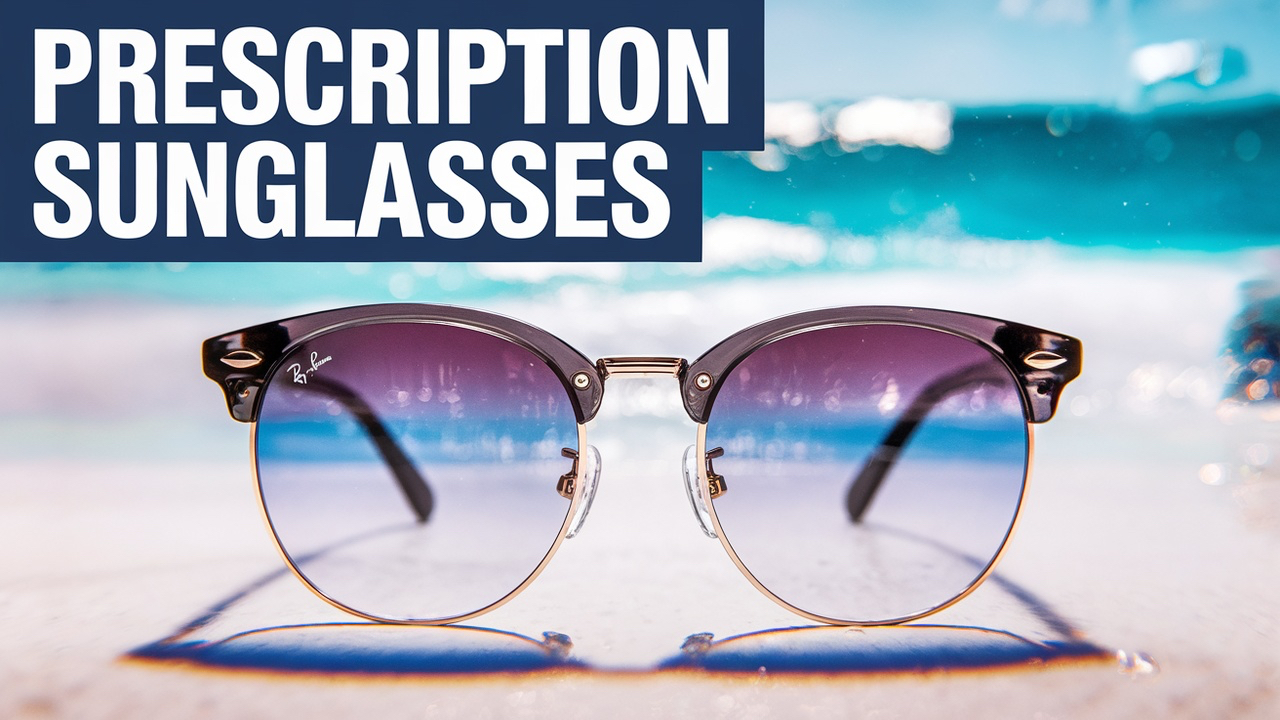
Are you looking for a way to combine corrective vision with sun protection? Prescription sunglasses offer the perfect blend of Read more