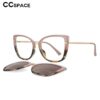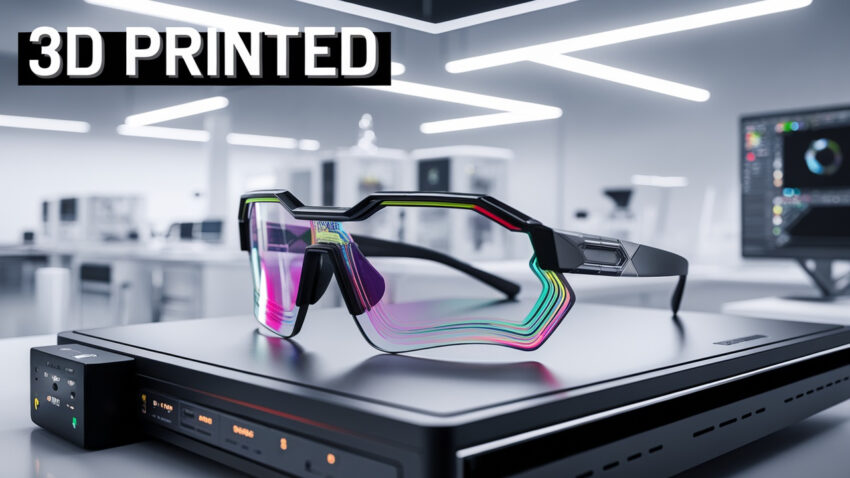
Imagine a world where your eyewear is tailored to your unique style and preferences. With 3D printed glasses, this reality is now within reach. Additive manufacturing has revolutionized the eyewear industry, offering unparalleled customization and sustainability.
Traditional eyewear production often involves high costs and long lead times. However, 3D printing eliminates the need for costly molds and enables rapid prototyping. This means you can enjoy custom-fit frames and unique designs that were once unimaginable.
By leveraging advanced printing technologies, manufacturers can produce small batches on-demand, reducing waste and lowering costs. This not only benefits the environment but also empowers consumers to express their individuality through their eyewear choices.
From bold color options to precise fit adjustments, 3D printing is redefining how we experience eyewear. Whether you’re seeking functionality or fashion, the possibilities are endless.

Understanding the 3D Printed Glasses Process
Discover how additive manufacturing is transforming eyewear production. This innovative approach builds objects layer by layer, allowing for complex designs and precise details. Unlike traditional methods, it eliminates the need for costly molds, making it more efficient and sustainable.
Advantages of Additive Manufacturing
Additive manufacturing, or 3D printing, offers several benefits. It enables rapid prototyping and small-batch production, reducing costs and waste. Manufacturers can create custom-fit frames and unique designs without the high expenses associated with traditional methods. The process also allows for recycling unused materials, further enhancing sustainability.
Comparing 3D Printing to Traditional Methods
Traditional eyewear production often involves injection molding or CNC milling, which require expensive molds and long lead times. In contrast, 3D printing streamlines production, enabling quick turnaround and lower costs. For example, companies like MYKITA use additive manufacturing to produce high-quality, customizable frames efficiently.

This comparison highlights the advantages of 3D printing, including faster production, lower costs, and greater customization. It’s clear that additive manufacturing is setting a new standard in the eyewear industry.
Design and Material Considerations
When it comes to creating the perfect eyewear, the design and materials play a crucial role. With advancements in additive manufacturing, you can now enjoy frames that are not only stylish but also tailored to your comfort and the environment.
Customizing Frame Design and Fit
The freedom in design allows for unique frame shapes that traditional methods can’t achieve. For instance, intricate details and complex geometries are now possible, offering a level of personalization that enhances both aesthetics and comfort. Custom-fit frames ensure a perfect match for your face, eliminating discomfort and adjusting to your unique features.
Choosing Sustainable and Functional Materials
Nylon 11 and Nylon 12 powders are popular choices for their durability and eco-friendly properties. Nylon 11, for example, offers a 60% reduction in carbon impact compared to Nylon 12. These materials are not only sustainable but also recyclable, minimizing waste and promoting eco-conscious production.
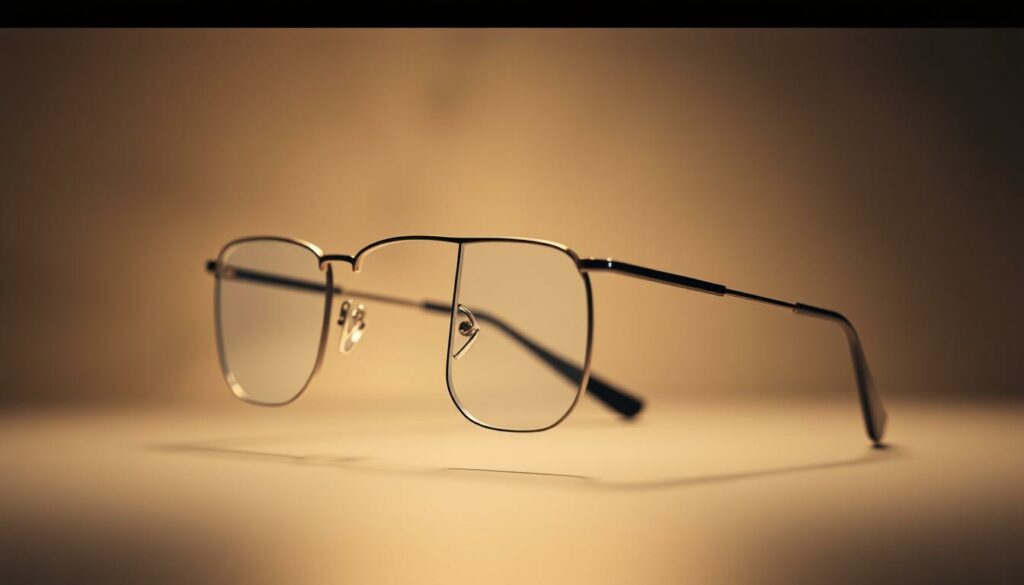
Advanced CAD designs work seamlessly with printing technologies to produce frames that are both functional and visually appealing. This interplay ensures that each frame is optimized for comfort, durability, and style, making your eyewear a perfect blend of form and function.
3D Printed Glasses: Customization At Its Best
Exploring Case Studies and ROI Benefits
The adoption of 3D printing in eyewear production has transformed how brands approach customization and efficiency. This innovative technology not only enhances product design but also offers significant cost savings and operational improvements.
Brands like Breezm are leading the way, utilizing SLS 3D printing to create frames that are both stylish and durable. Their approach allows for intricate designs and minimal material waste, setting a new standard in the industry. Breezm’s frames are not only customizable with 23 designs in 8 colors but also incredibly durable, made from FDA-approved PA-12 material. Priced starting at $129, they offer a cost-effective solution without compromising on quality.
The ROI benefits of 3D printing are substantial. For instance, a single Fuse 1+ 30W printer can produce over 19,680 frames annually, significantly reducing production costs. The cost per part drops to around $0.66, and with recyclable materials, waste is minimized. Additionally, post-processing techniques like vibratory tumbling reduce surface roughness by 80%, ensuring a polished finish.
- Production Capacity:Â A Fuse 1+ 30W printer can produce over 19,680 frames per year.
- Cost Efficiency:Â The cost per part is approximately $0.66, with a 60% reduction in carbon impact using Nylon 11.
- Material Savings:Â The additive process minimizes waste, with recyclable materials enhancing sustainability.
- Customer Satisfaction:Â Faster production and personalized service lead to higher customer satisfaction.
Adopting 3D printing is a smart way for brands to stay competitive, offering faster production, personalized service, and significant cost savings. This technology is revolutionizing the eyewear industry, making it an essential tool for businesses looking to thrive in today’s dynamic market.
Customization, Personalization, and Brand Identity
Personalization is revolutionizing the eyewear industry, allowing brands to stand out in a competitive market. By offering tailored products, companies can create a unique brand identity that resonates with consumers.
Tailoring Eyewear for Your Individual Style
On-demand production empowers you to quickly shift from design to production without the burden of inventory or mold costs. This agility allows for rapid customization, ensuring your products align with current trends. Advanced software provides precise control over both design and production time, enabling you to meet market demands efficiently.
Benefits of On-Demand Production for Your Business
- Empower your business with 3D printing services to transition seamlessly from design to production, eliminating costly molds and inventory risks.
- Customize eyewear rapidly to match current trends, offering unique styles that attract discerning customers.
- Integrate advanced software for precise control over design and production, streamlining your workflow.
- Streamline your service offering to solidify your brand’s presence in the competitive eyewear industry.
- Learn from established manufacturers who leverage these strategies to reduce lead times and appeal to modern consumers.
- Incorporate metal elements alongside 3D printed components to enhance functionality and durability.
- Efficient use of time and technology is crucial for building customer loyalty and driving business growth.
By embracing these strategies, your business can deliver personalized eyewear that not only meets but exceeds customer expectations, establishing a strong brand identity in the process.
Sustainable and Cost-Effective Manufacturing Practices
Modern manufacturing is evolving, and companies are finding innovative ways to reduce waste while cutting costs. Sustainable practices are becoming essential for businesses looking to stay competitive and eco-friendly.
Reducing Waste and Lowering Production Costs
One of the key advantages of advanced manufacturing technologies is the ability to minimize waste. Traditional methods often result in significant material loss, but new techniques are changing this. For instance, laser technology plays a crucial role in ensuring precise material sintering, which reduces production errors and waste. This level of precision not only improves efficiency but also lowers costs.
Companies are also adopting sustainable practices that enhance production efficiency. By owning their manufacturing equipment, businesses can reduce their reliance on high Minimum Order Quantities (MOQs) and lower waste levels. This approach not only cuts costs but also aligns with eco-friendly goals.
| Aspect | Traditional Methods | Modern 3D Printing |
|---|---|---|
| Material Waste | High waste due to subtractive processes | Minimal waste with additive processes |
| Cost Efficiency | High costs due to molds and tooling | Lower costs with no need for molds |
| Production Time | Long lead times | Rapid production and prototyping |
| Environmental Impact | Higher carbon footprint | Reduced carbon impact with sustainable materials |
The table above highlights the benefits of adopting sustainable manufacturing practices. By leveraging technologies like laser sintering and additive manufacturing, companies can significantly reduce their environmental impact while improving cost efficiency. For example, using Nylon 11 instead of Nylon 12 can lower carbon impact by 60%, as mentioned in the data.
Localized production is another key factor. By setting up manufacturing close to the market, companies can reduce transportation costs and environmental impact. This lean supply chain approach not only cuts operational costs but also ensures faster delivery times, improving customer satisfaction.
Real-world examples demonstrate the effectiveness of these practices. A Fuse 1+ 30W printer can produce over 19,000 frames annually, with a cost per part of approximately $0.66. This not only reduces waste but also lowers production costs significantly. Such metrics show how sustainable manufacturing can be a competitive advantage.
In conclusion, embracing sustainable and cost-effective manufacturing practices is not just good for the environment; it’s also a smart business move. Companies that adopt these strategies can reduce waste, lower costs, and improve their bottom line while appealing to eco-conscious consumers.
Advanced Finishing and Post-Processing Techniques
Finishing touches are crucial in creating high-quality eyewear. Advanced post-processing techniques enhance both the aesthetic and functional aspects of frames, making them more appealing and durable.
Vibratory Tumbling and Surface Smoothing
Vibratory tumbling is a key process that refines the surface of 3D printed frames. By reducing roughness, it improves comfort and appearance. This method is especially effective in achieving smooth finishes comparable to traditional materials like acetate.
Water Bath Dyeing and Cerakote Coating Options
Water bath dyeing offers vibrant color options, while Cerakote coatings provide a durable finish. These techniques not only enhance the visual appeal but also protect the frames from wear and tear, ensuring longevity.
Innovative Approaches to Complex Designs
Additive manufacturing enables intricate designs that traditional methods can’t achieve. This allows for unique frame shapes and structures, offering more customization options and aligning with modern design trends.
| Aspect | Traditional Methods | Modern 3D Printing |
|---|---|---|
| Surface Finish | Rough, requires extensive polishing | Smooth, with minimal post-processing |
| Color Options | Limited, difficult to apply evenly | Wide range, consistent application |
| Design Complexity | Restricted by molds and tooling | Unlimited, enabling intricate designs |
These advanced techniques contribute to superior final products, resonating with current fashion trends and providing additional customization options for both designers and manufacturers in the eyewear industry.
Conclusion
As you explore the future of eyewear, consider the transformative power of advanced printing technologies. These innovations are reshaping how frames are designed, produced, and personalized, offering unparalleled opportunities for both designers and manufacturers.
The key benefits are clear: enhanced customization, reduced waste, faster production, and significant cost savings. Designers can now craft high-quality parts that stand out in both style and performance, ensuring your eyewear is not only functional but also a statement of individuality.
By integrating cutting-edge printing methods into your production strategy, you can offer unique, eco-friendly solutions that meet the demands of today’s market. From rapid prototyping to sustainable materials, these technologies empower you to create eyewear that is as innovative as it is appealing.
Ready to see the difference for yourself? Contact a specialist to request a sample part or schedule a demonstration. Embrace the future of eyewear manufacturing and discover how these advancements can elevate your brand and customer satisfaction.
FAQ
How does printing technology enhance eyewear production?
Printing technology allows for intricate designs and customization, enabling manufacturers to create complex frames with precision. This method reduces material waste and speeds up production compared to traditional techniques.
What materials are commonly used in printed eyewear frames?
While metal frames are popular for their durability, printed eyewear often uses lightweight, durable plastics and composite materials. These options provide flexibility and can be tailored to meet specific design needs.
Can printing be used for customizing eyewear designs?
Yes, printing offers extensive customization options. From unique frame shapes to personalized finishes, this technology allows brands and designers to create eyewear that stands out in terms of style and functionality.
How does additive manufacturing benefit the eyewear industry?
Additive manufacturing streamlines production, reduces waste, and enables rapid prototyping. It also allows for smaller production runs, making it ideal for niche or specialized eyewear designs.
What is the typical production time for printed eyewear?
Production time varies depending on the complexity of the design. However, printing technology generally accelerates the process, allowing manufacturers to deliver products faster than traditional methods.
Is printed eyewear more cost-effective than traditional eyewear?
Printed eyewear can be more cost-effective, especially for complex or customized designs. It minimizes material waste and reduces the need for costly molds or tools.
How does laser technology contribute to eyewear manufacturing?
Laser technology is used for precise cutting, engraving, and finishing. It ensures high-quality results and allows for intricate details that enhance both the functionality and aesthetic appeal of eyewear frames.
Can printed eyewear be produced in various colors and finishes?
Yes, printed eyewear can be finished in a wide range of colors and styles. Techniques like water bath dyeing and Cerakote coating provide durable and vibrant finishes, catering to diverse design preferences.
Is printed eyewear sustainable?
Printed eyewear can be more sustainable than traditional methods because it reduces waste and allows for the use of eco-friendly materials. Additionally, additive manufacturing produces less scrap material.
How does the supply chain benefit from printed eyewear production?
Printed eyewear simplifies the supply chain by reducing reliance on multiple components and external suppliers. This streamlined process leads to faster delivery times and lower production costs.
Can printed eyewear be used for luxury or high-end designs?
Absolutely. Printed eyewear can incorporate premium materials and advanced finishing techniques, making it suitable for luxury brands. The level of customization and attention to detail aligns well with high-end design requirements.
How does software play a role in eyewear design and production?
Software is essential for designing intricate frame shapes and simulating production processes. It ensures precision, reduces errors, and allows designers to experiment with innovative ideas before manufacturing begins.
Can printed eyewear be produced on demand?
Yes, printed eyewear supports on-demand production, allowing businesses to produce small batches or even single units without significant upfront costs. This flexibility is particularly beneficial for niche markets or limited-edition designs.
What are the key advantages of printed eyewear over traditional eyewear?
Printed eyewear offers customization, reduced waste, faster production, and the ability to create complex designs. These advantages make it a versatile and efficient choice for both brands and consumers.
Imagine stepping outside on a sunny day, but instead of squinting through glare, you see the world with crystal clarity. Polarized Read more

From corrective lenses dating back to the 13th century to today's cutting-edge innovations, the eyewear industry has come a long Read more
Smart glasses have come a long way from being niche gadgets to becoming mainstream wearable devices. Today, they blend fashion Read more
Imagine a pair of glasses that adapts to your surroundings, changing from clear to dark in response to UV light. Transition Read more